

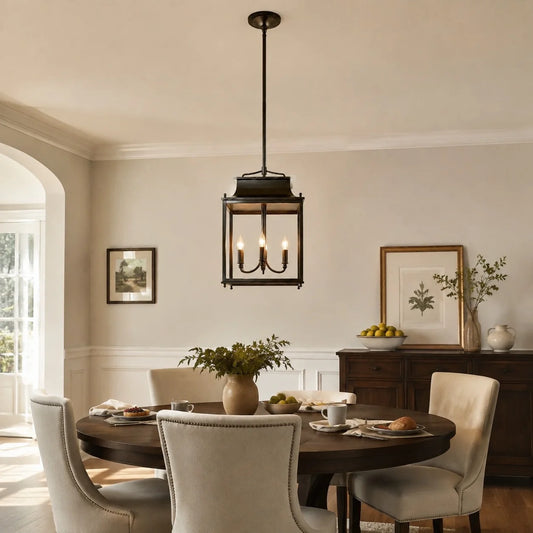
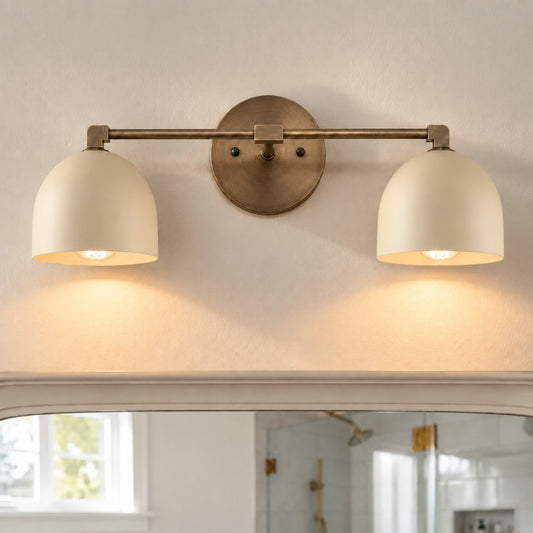

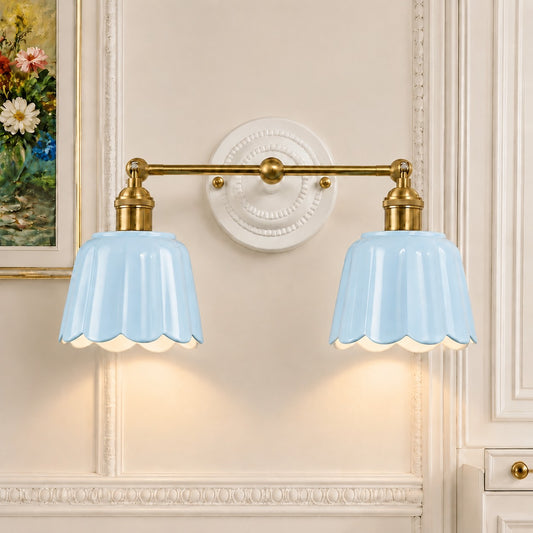
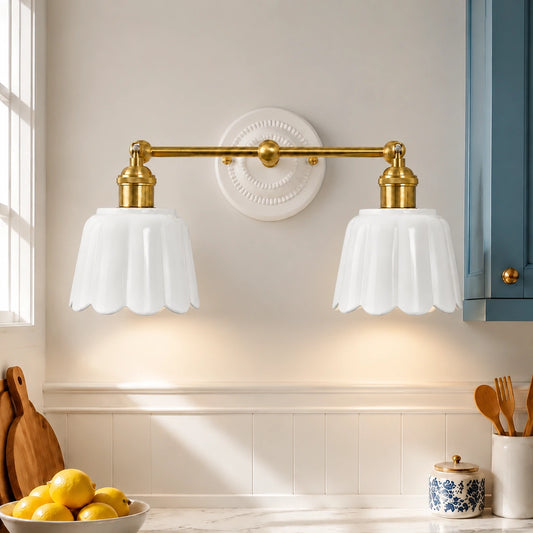
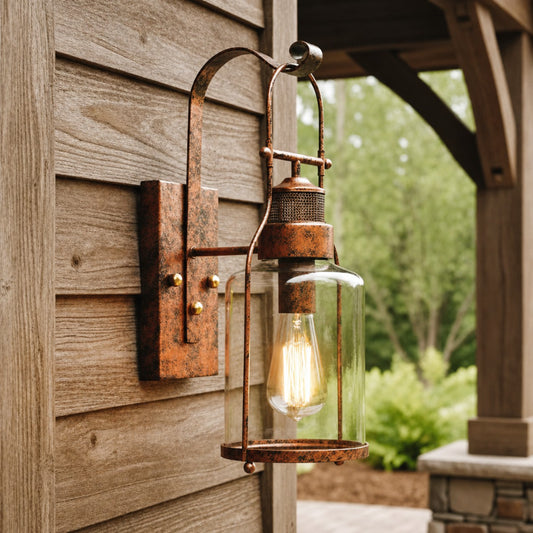
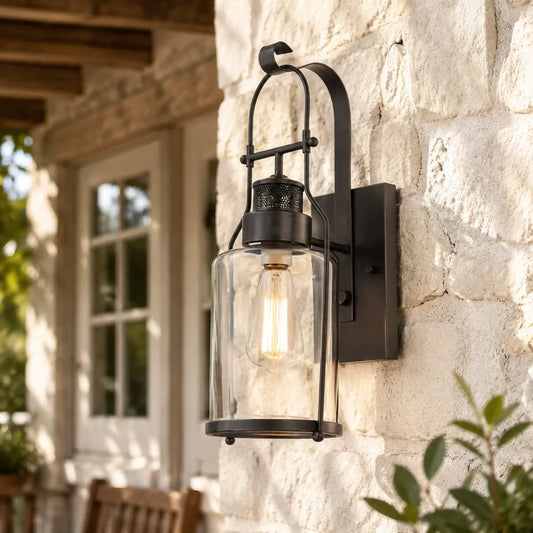
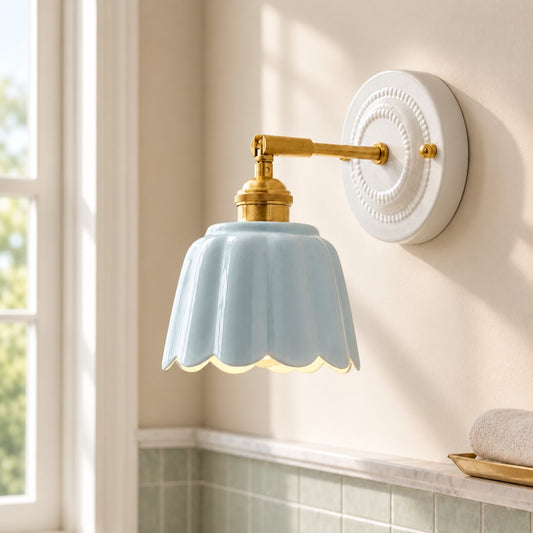
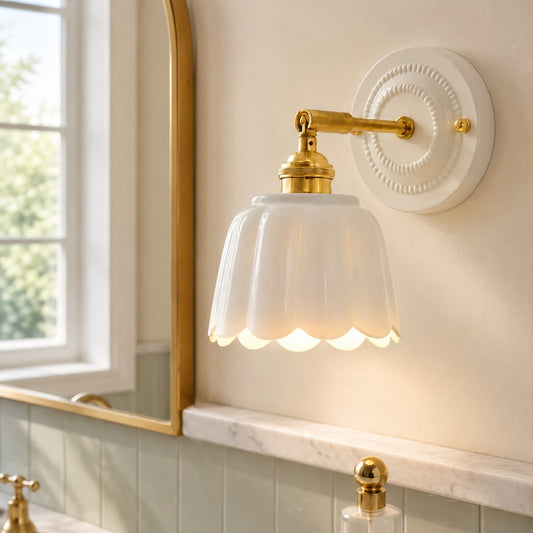

The Merge Material Library
Materials, Defined With Purpose
We choose materials for what they make possible: the way they transmit, diffuse, reflect and filter light; the forms they can hold; and the character they bring to a room.
Why Materials Matter
Material Is Part of the Light
A fixture is not defined by silhouette alone. Material determines whether the source is revealed or concealed, whether light feels crisp or quiet, and whether the surface glows, reflects or draws shadow across the room.
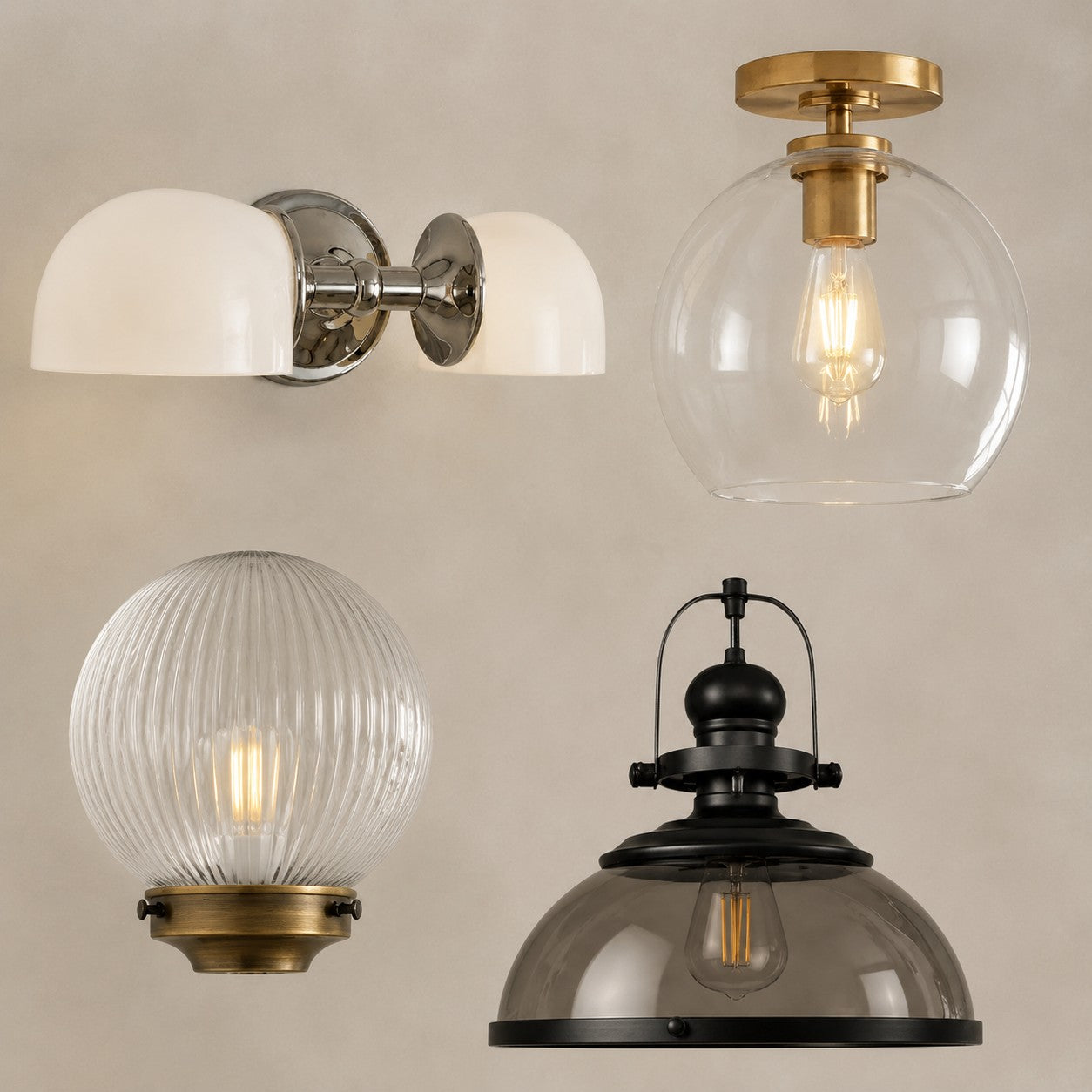
RevealClear and ribbed glass preserve sparkle and source visibility.
DiffuseOpal glass and alabaster turn a source into a broad, softer glow.
ReflectMetal and travertine return light from polished or mineral surfaces.
FilterFabric, shell and rattan shape light through fibres, layers and openings.
The Merge Material Standard
Six Clear Answers
We do not treat material as a colour label. We identify what it is, explain what it does to light and show the details that distinguish it from a look-alike substitute.
01
Purpose
Why is this material necessary for the light, structure or form?
02
Identity
What is the actual material, substrate and construction?
03
Light Effect
Does it reveal, diffuse, reflect, direct or filter the light?
04
Process
How do forming, cutting, firing, weaving or finishing create the result?
05
Variation
Which differences in tone, texture or pattern are natural and acceptable?
06
Proof
Which samples, inspections and support substantiate the description?
01 / Glass
Clarity, Texture and Controlled Diffusion
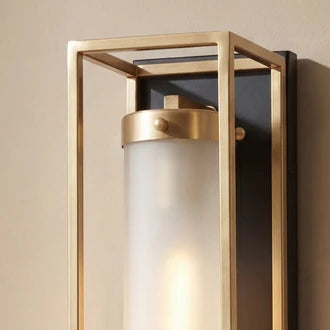
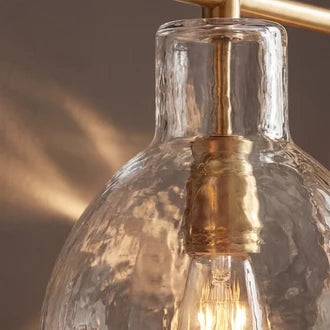
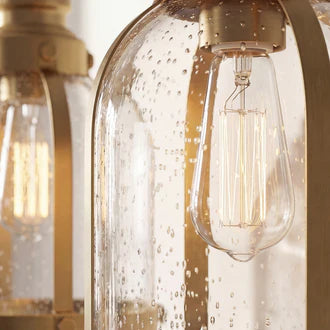
Glass can reveal the lamp, soften it or transform the entire shade into a luminous volume.
Its colour, thickness, forming method and surface treatment determine how clearly the source is seen and how highlights travel across the fixture. The correct choice is not always the clearest glass; it is the glass that makes the intended light possible.
Glass, not acrylic: Glass offers a harder, more scratch-resistant surface, stronger heat stability and crisper refraction, so texture and highlights retain greater optical depth. Acrylic is lighter and more impact-resistant, but it scratches more readily and may lose clarity or yellow with prolonged heat and UV exposure.
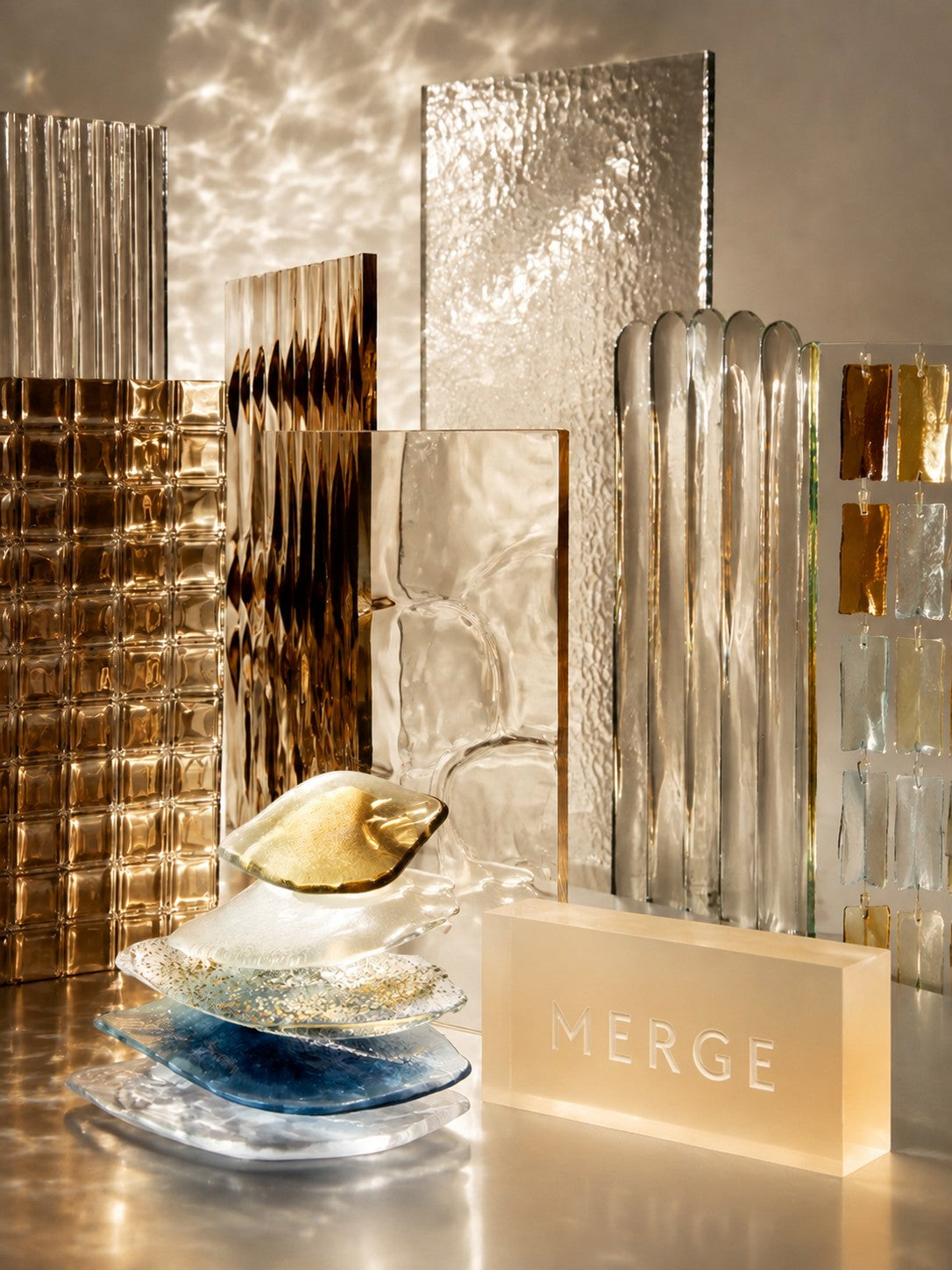
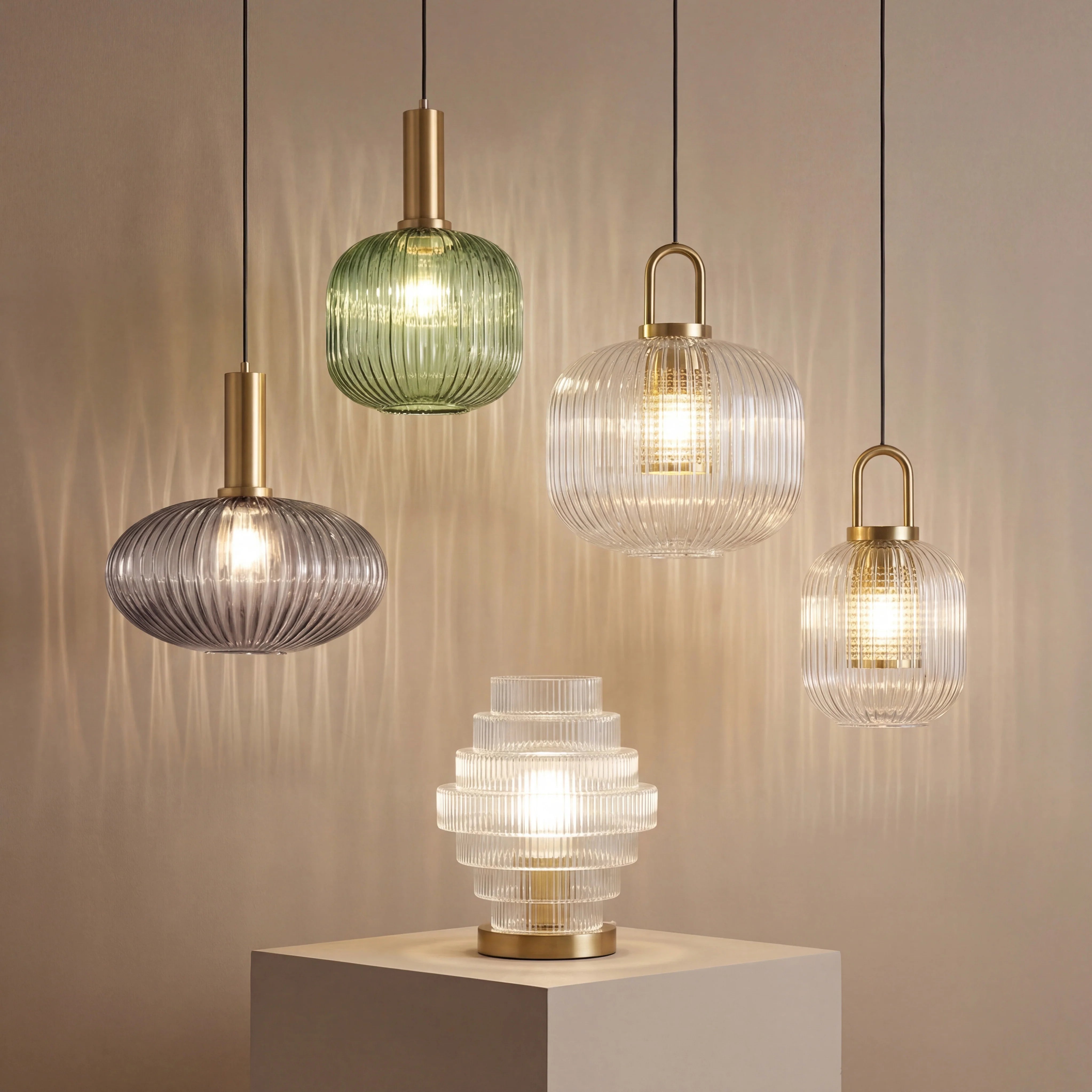
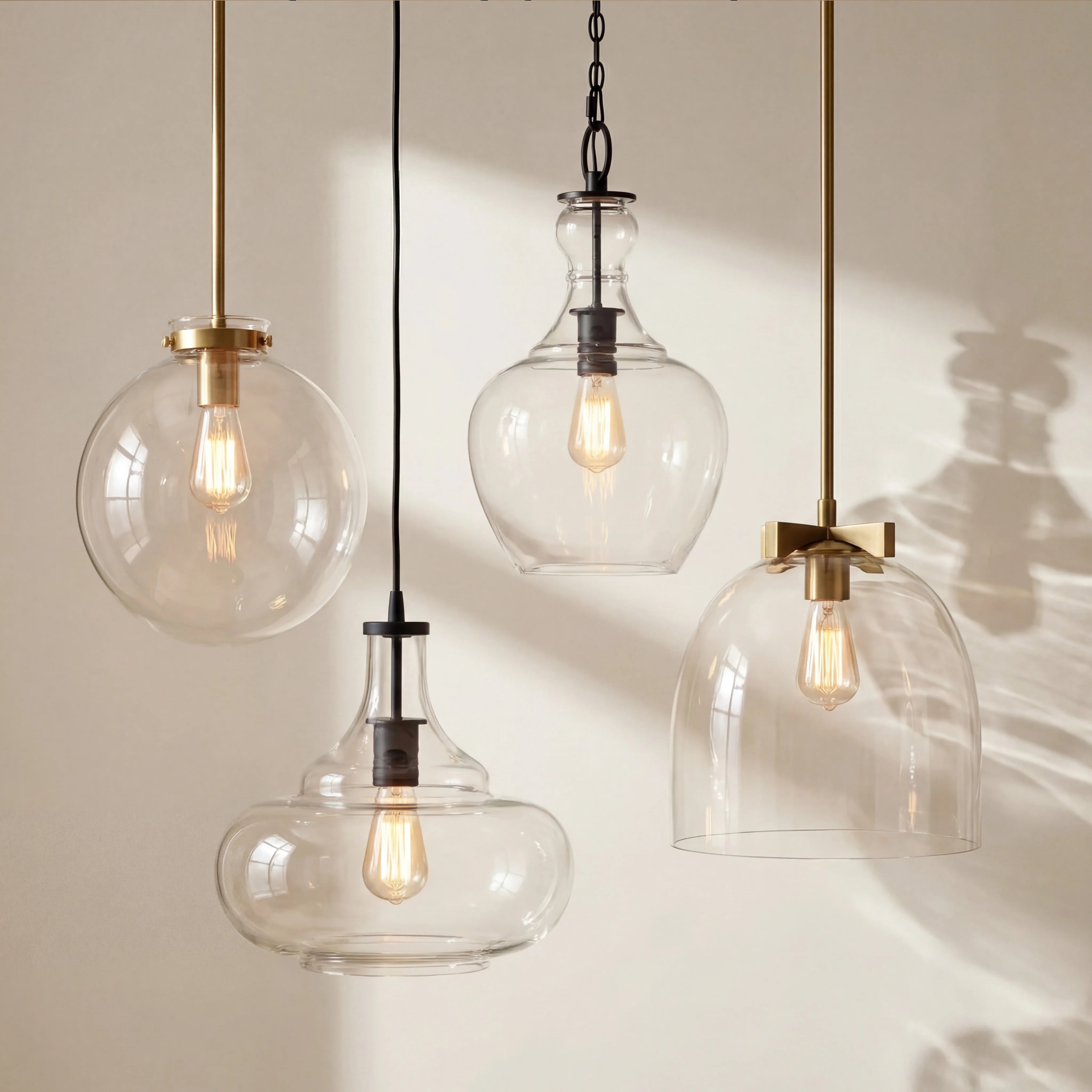
Clear Glass
Light effect: crisp reflection and stronger source visibility. Look for edge quality, wall thickness and declared optical variation.
Ribbed Glass
Light effect: ribs redirect highlights into repeated bands of brightness and shadow.
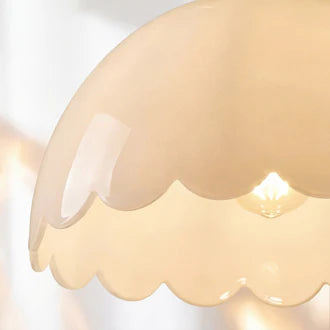
Milk / Opal
Light effect: broad diffusion, reduced lamp visibility and softer contrast.
Frosted Glass
Light effect: a translucent veil created by surface scattering.
Hammered Glass
Light effect: small facets break reflections into active points of brightness.
Seeded Glass
Light effect: controlled bubbles catch light while interrupting a direct view through the shade.
02 / Metal
Structure, Reflection and Finish Depth
Metal gives a fixture strength, precision and visual weight.
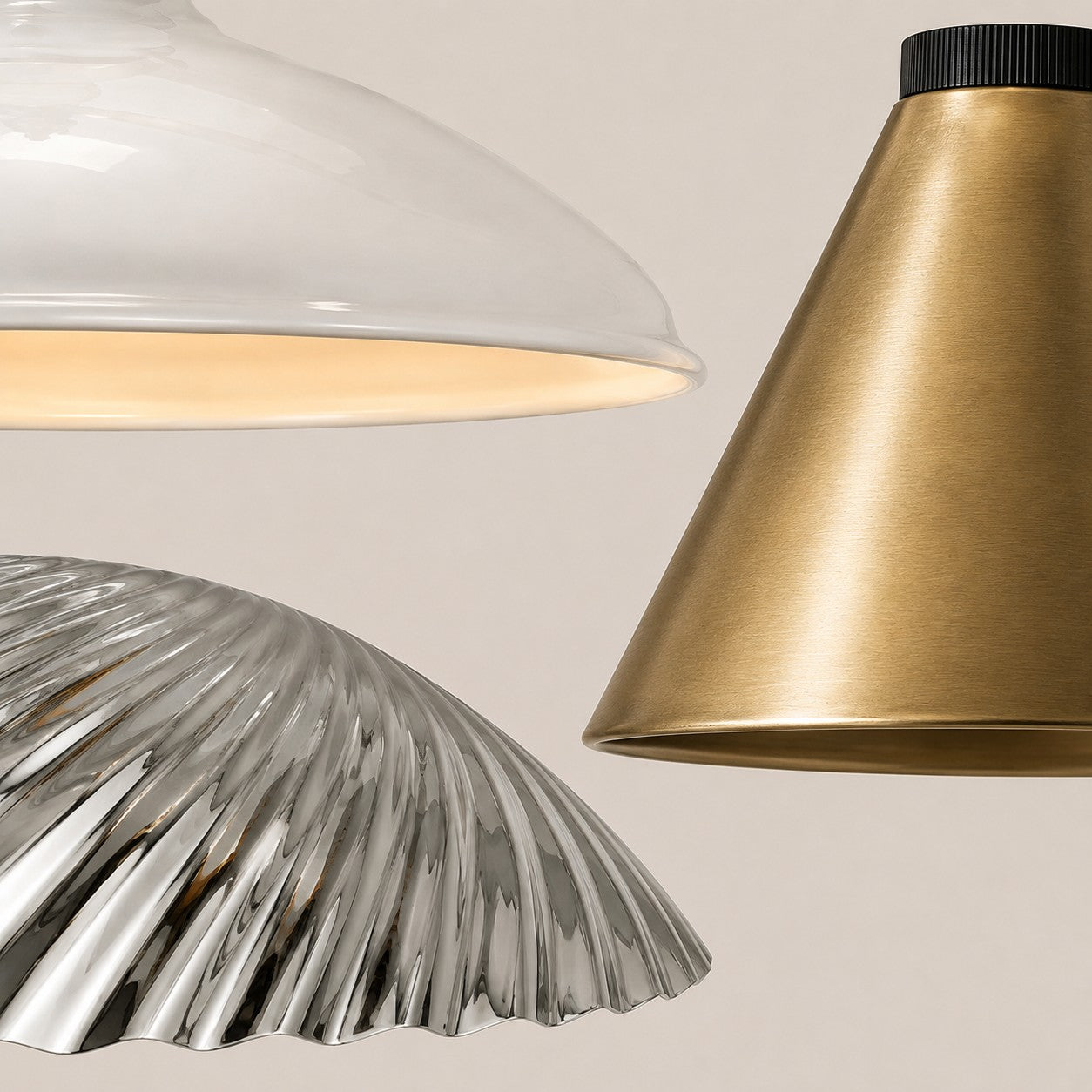
Its surface changes the light around it: polished finishes create sharper highlights, brushed finishes soften reflection and textured finishes break it into quieter tonal variation.
A colour name is not a complete material description. âÂÂBrassâ may mean solid brass, brass-plated steel, PVD-coated metal or a painted brass tone.
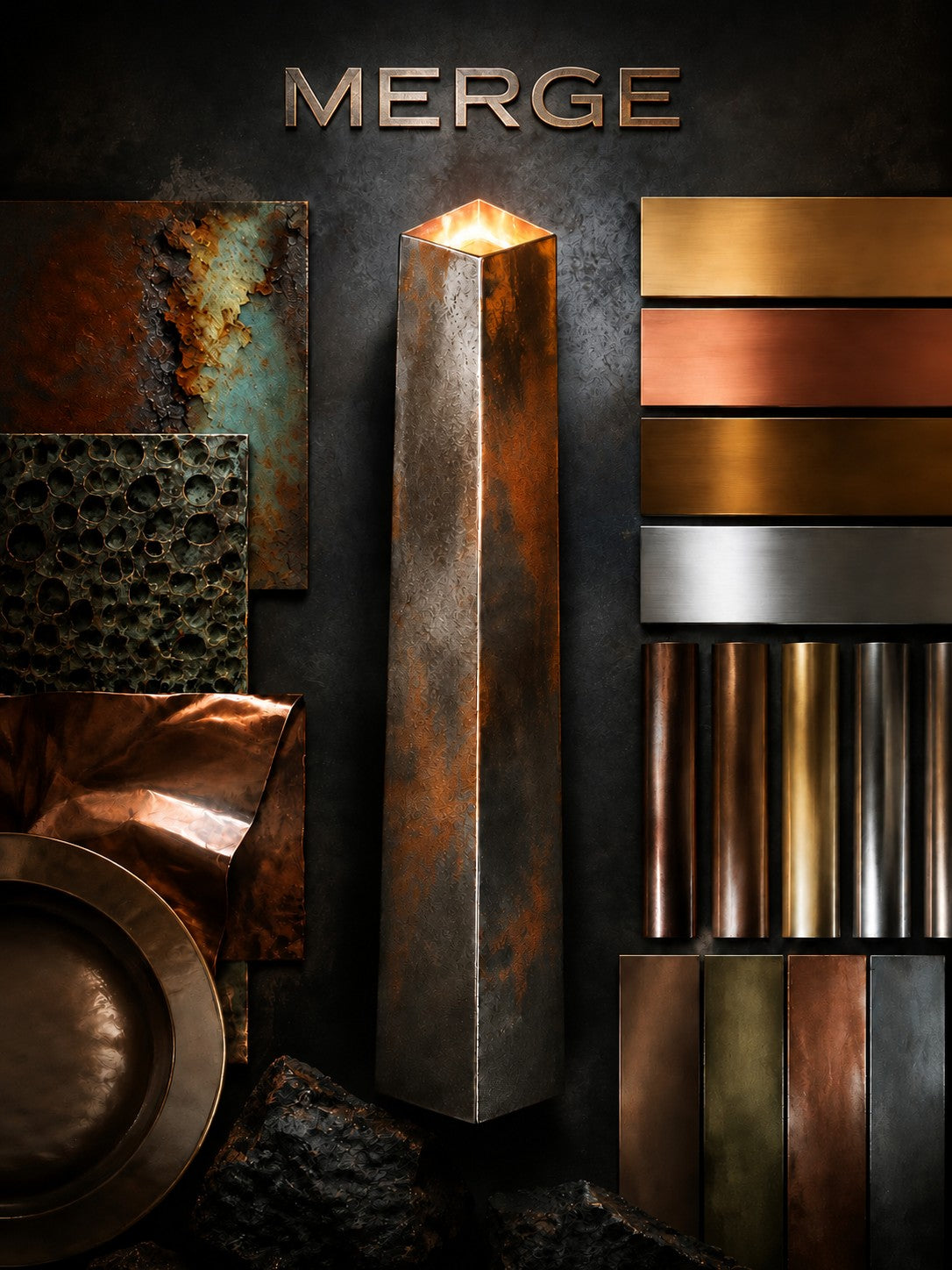

Brass
Warm reflection with polished, brushed, tumbled or chemically darkened effects. Distinguish solid brass from plating, PVD and painted tones.
Bronze
Deep colour with restrained reflection. âÂÂOil-rubbed bronzeâ commonly describes a finish rather than a bronze substrate.
Nickel
A cooler metallic tone. Polished nickel creates stronger highlights; brushed or satin nickel is quieter.
Chrome
Bright, precise and highly reflective. The substrate and plating consistency matter to the final result.
Aged Effects
Describe the actual process: hand-applied colouring, burnishing, darkening, powder coating or painted distressing.
Specified Clearly
Base material, forming method, preparation, colour process and protective layer should be stated where relevant.
03 / Travertine
Natural Variation, Defined for the Fixture
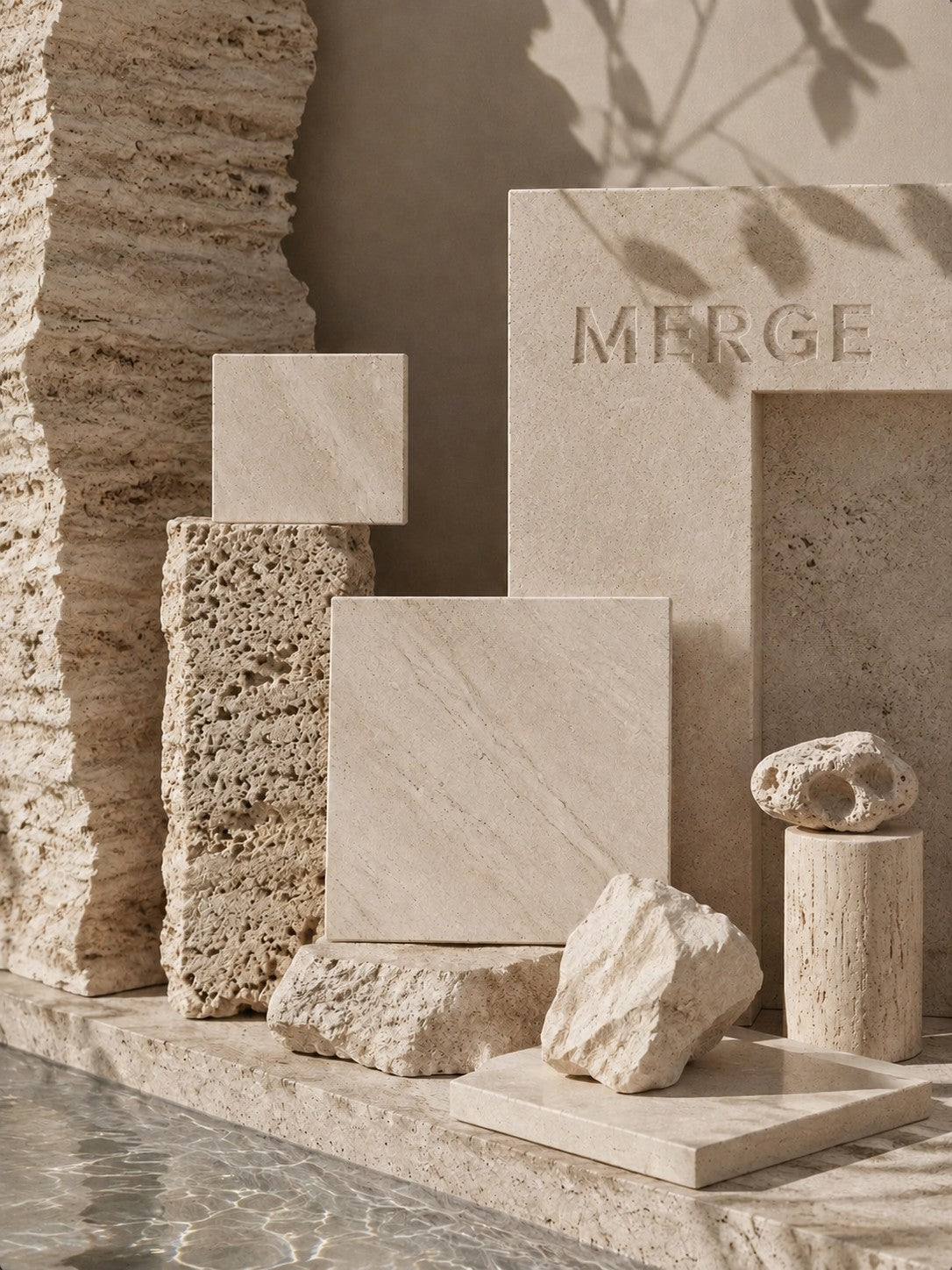
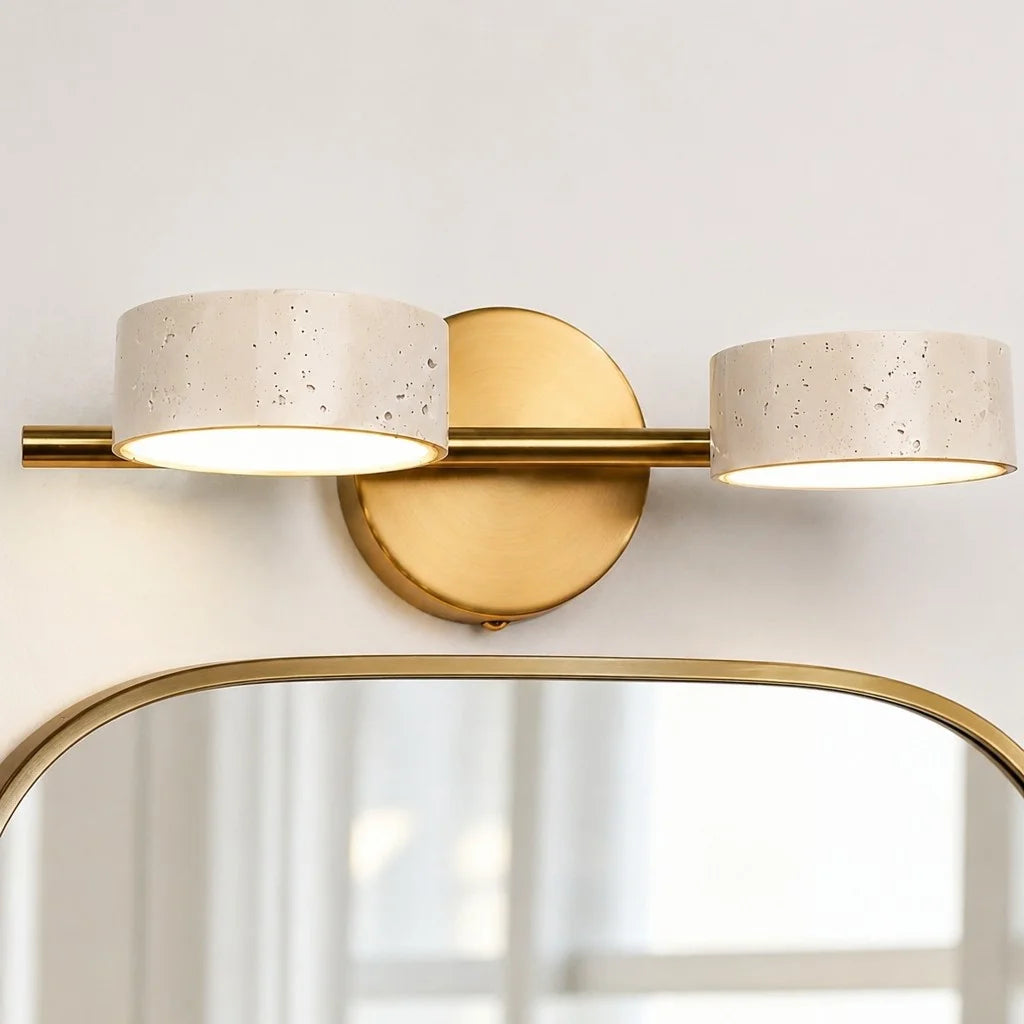
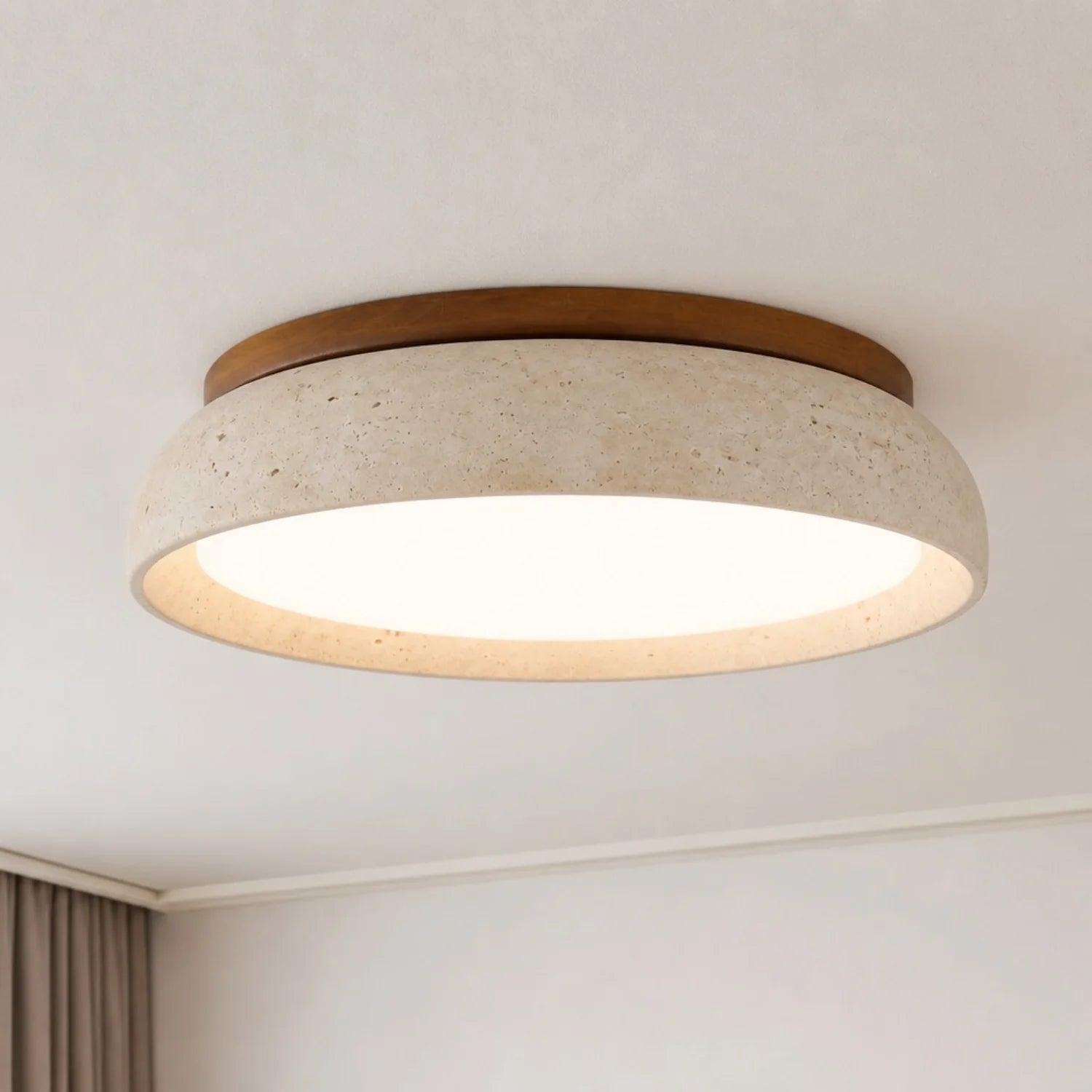
Travertine brings mineral weight, soft banding and open pore structure to lighting.
It is primarily opaque. Instead of glowing from within, its matte surface catches grazing light and returns a quiet, low-glare reflection.
Printed ceramic, resin and composite stone may copy the colour but not necessarily the pore depth, edge character or response to grazing light.
04 / Alabaster
Stone Made Luminous
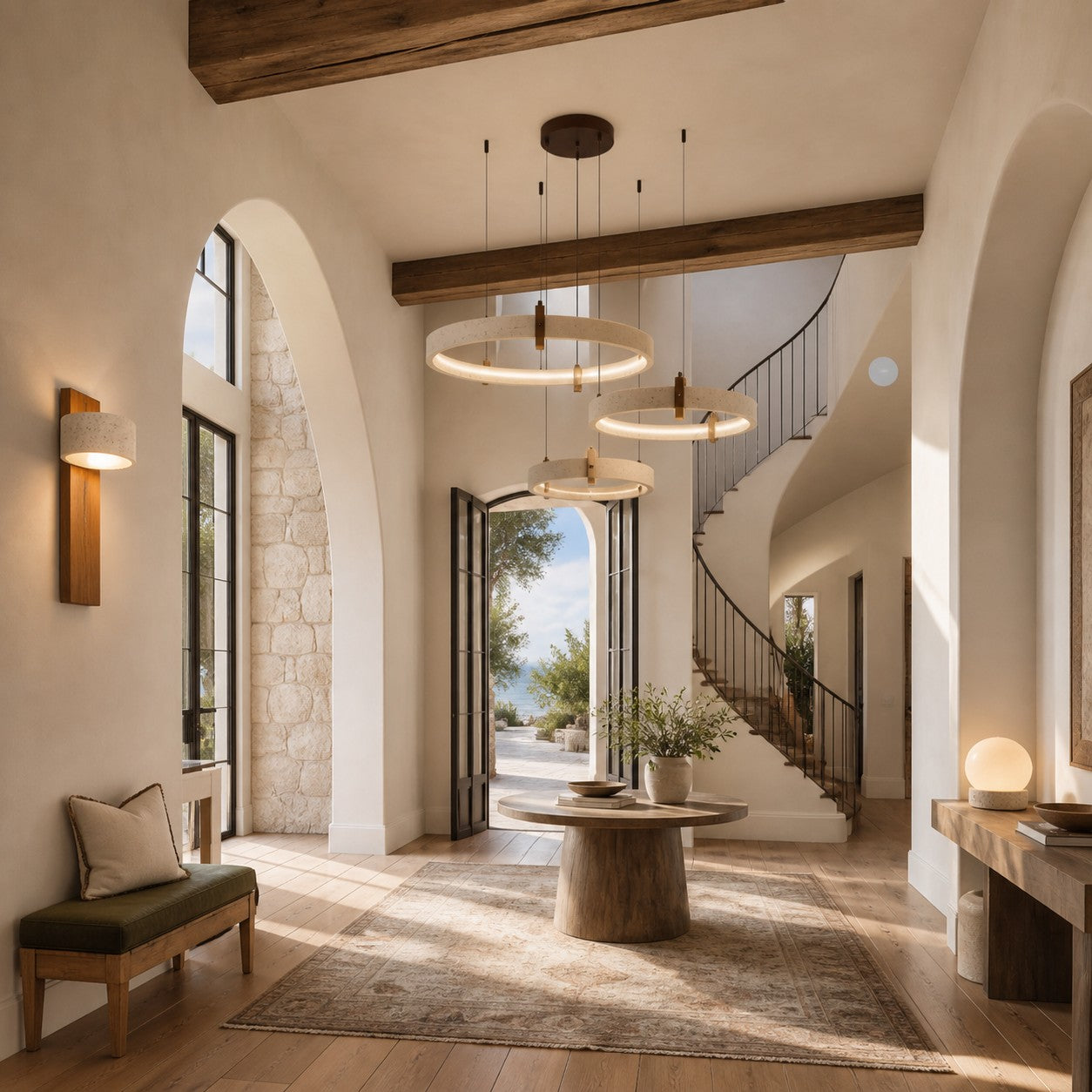
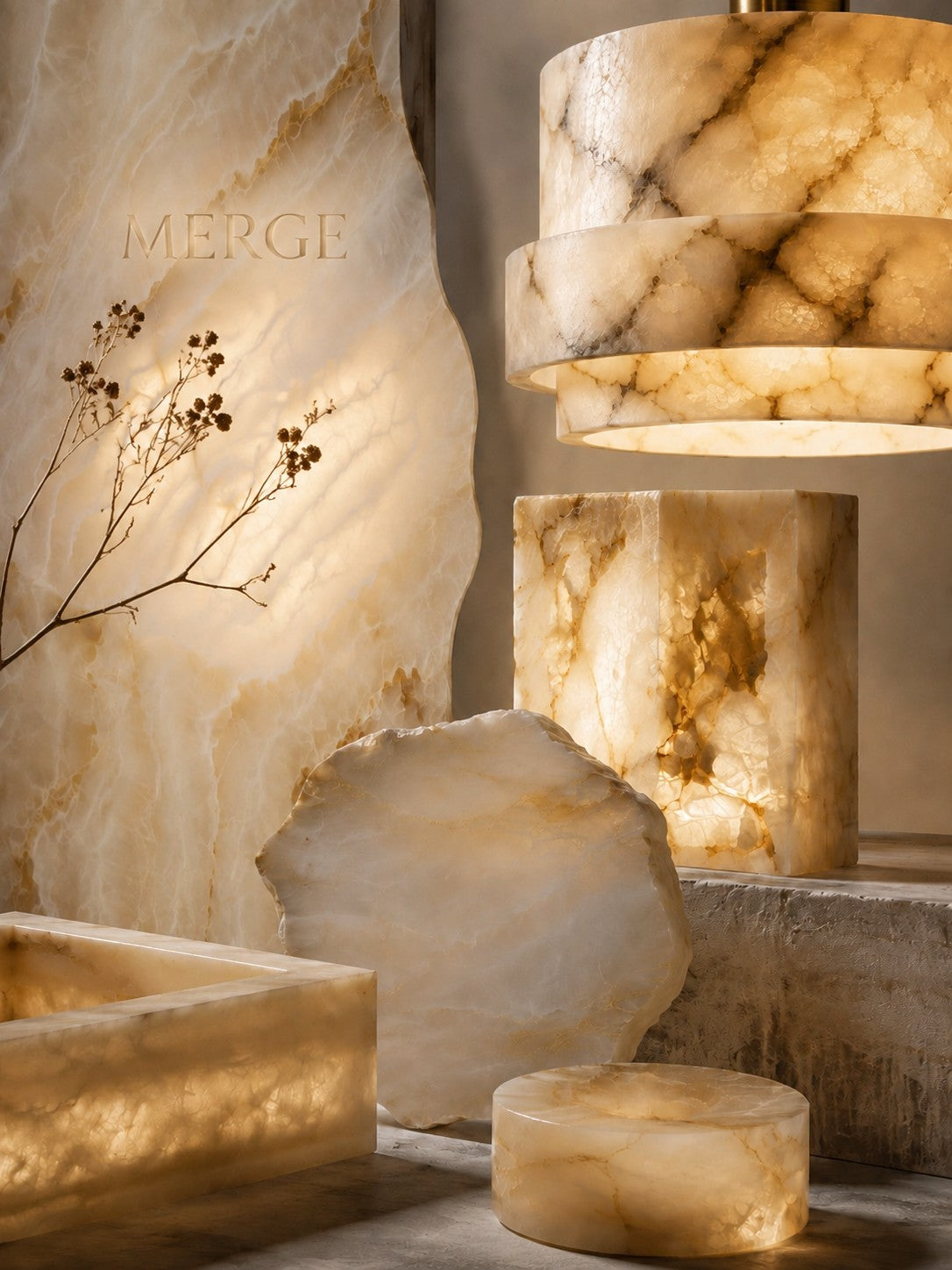
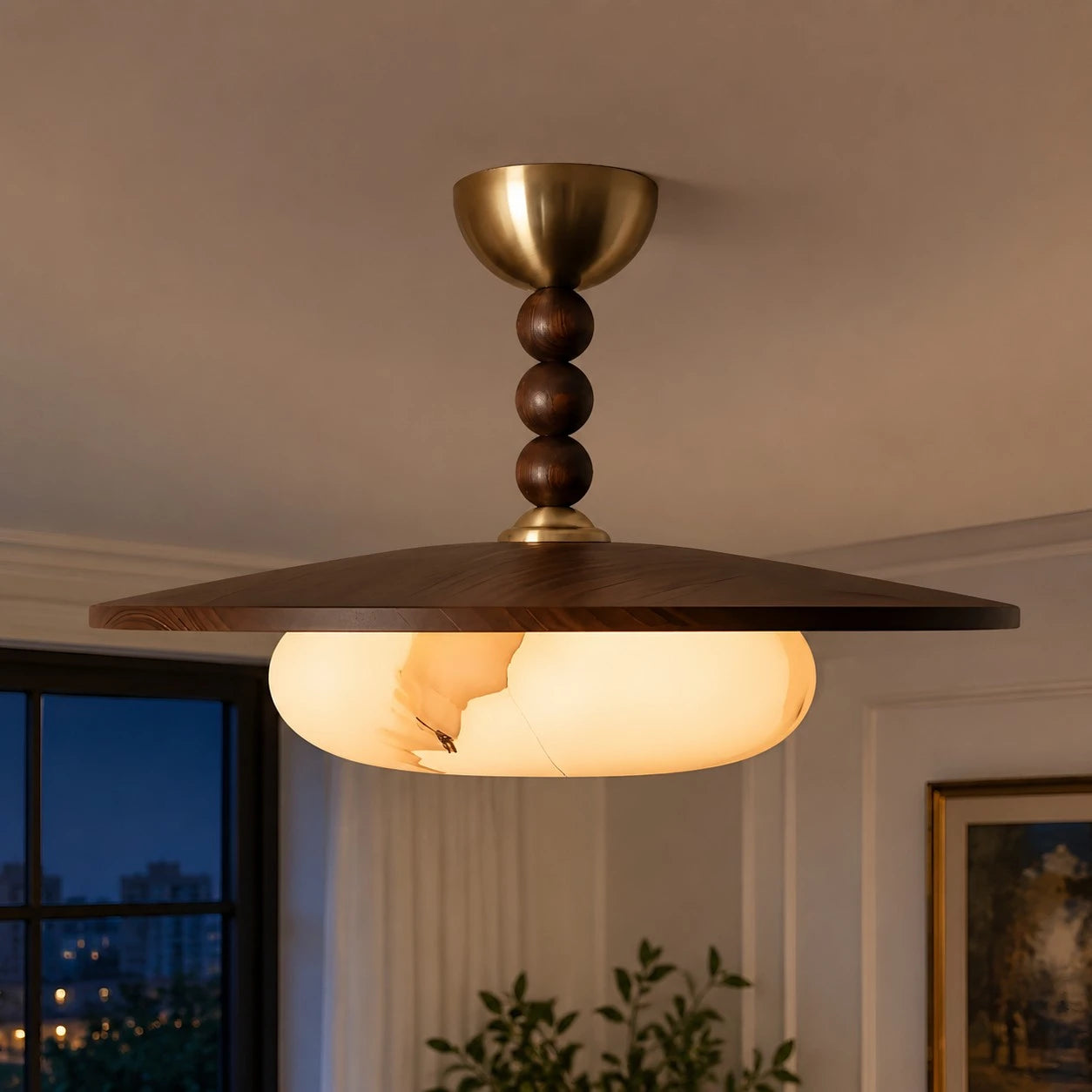
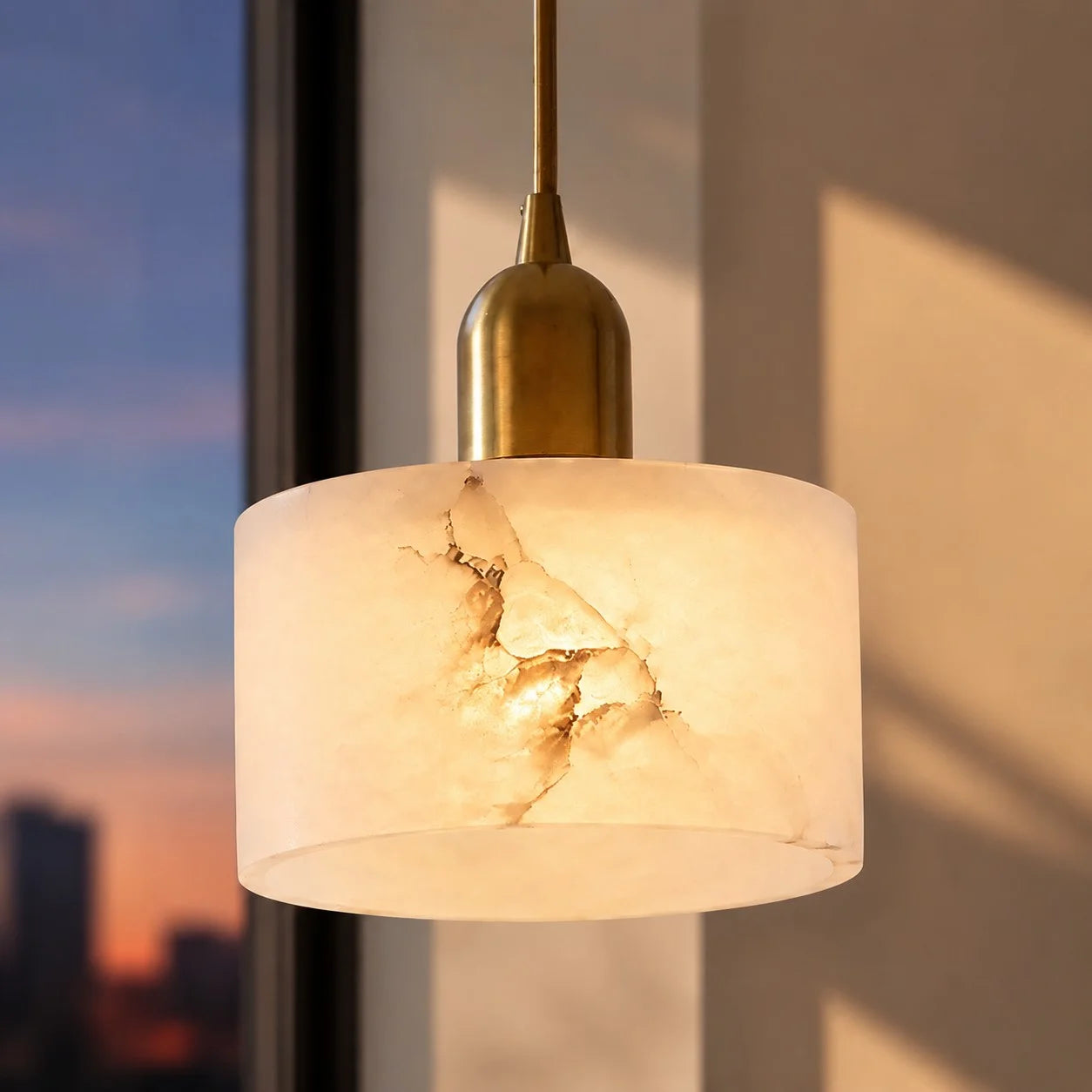
Natural alabaster is a fine-grained, translucent stone.
When illuminated through a controlled thickness, its mineral structure becomes visible and the surface takes on a soft, low-glare glow. The most useful comparison shows the same verified material switched off, illuminated and viewed from the edge.
Natural alabaster, not an imitation: Light travels through real mineral crystals and non-repeating veining, creating layered depth and subtle variation unique to each piece. Resin, acrylic and printed stone effects can be lighter and more uniform, but their repeated pattern and even diffusion do not reproduce the same crystalline depth.

05 / Ceramic
Form, Surface and Reflected Light
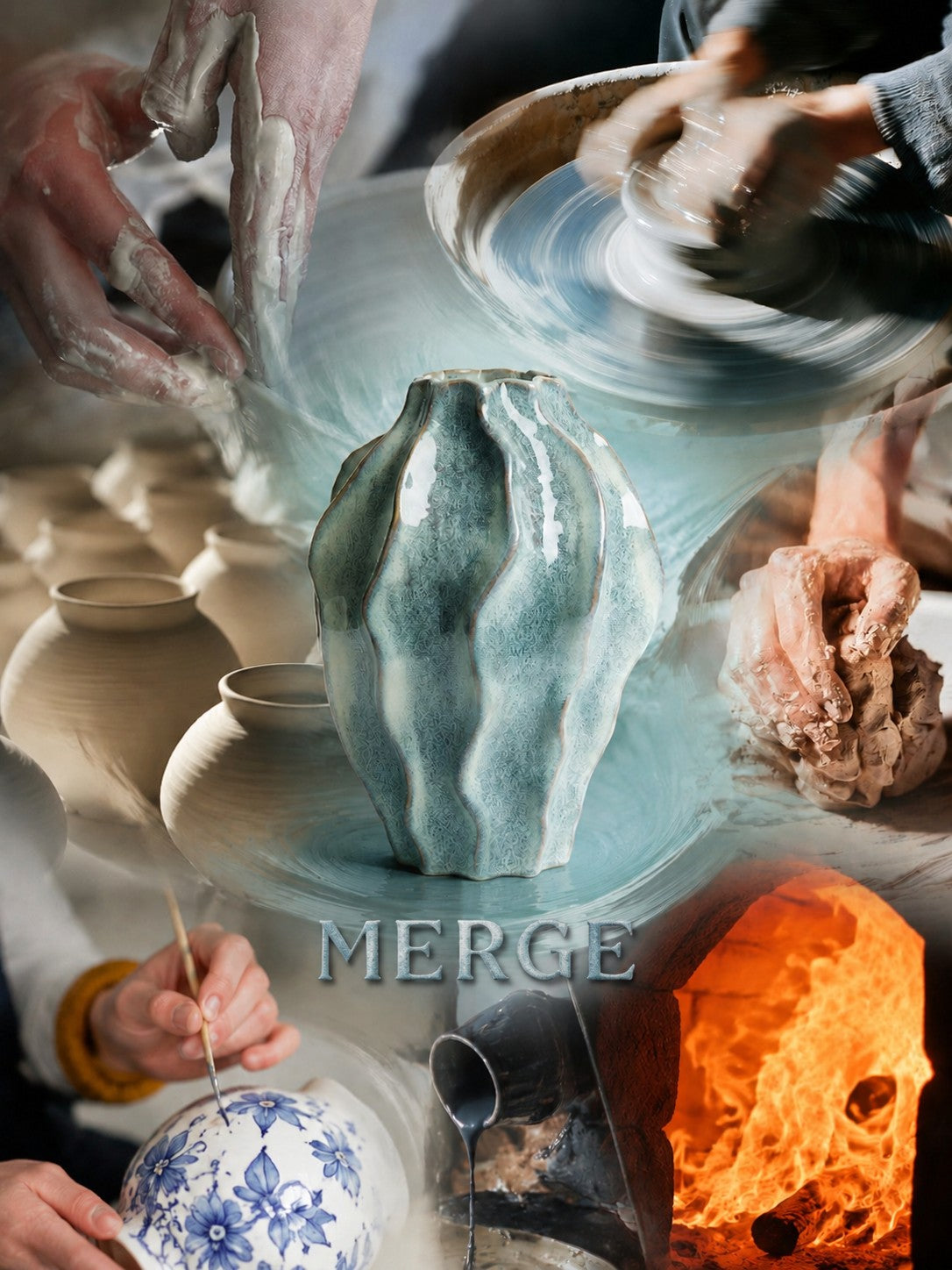
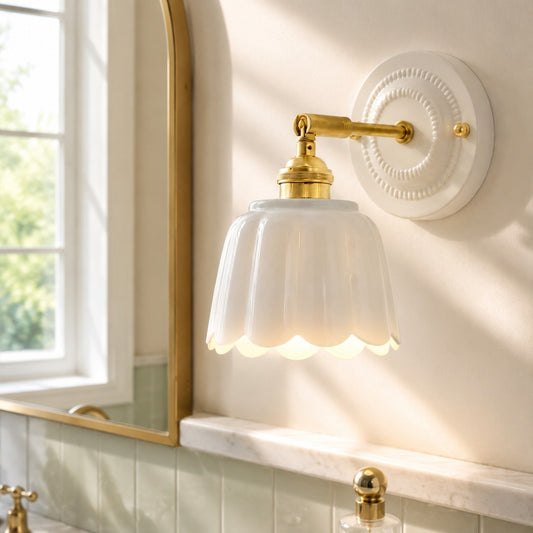
Ceramic allows the body and surface of a fixture to be developed together.
Most decorative ceramic bodies are opaque. Matte glazes create quieter reflection, glossy glazes produce brighter highlights and textured clay becomes more pronounced under grazing light.
Ceramic, not concrete: Fired ceramic supports finer forms, cleaner edges and a wider range of durable matte, gloss and textured glazes. Its sealed surface is easier to clean and reflects light with more controlled colour and depth, while concrete is typically heavier, more porous and opaque.


06 / Fabric
Soft Diffusion With Visible Structure
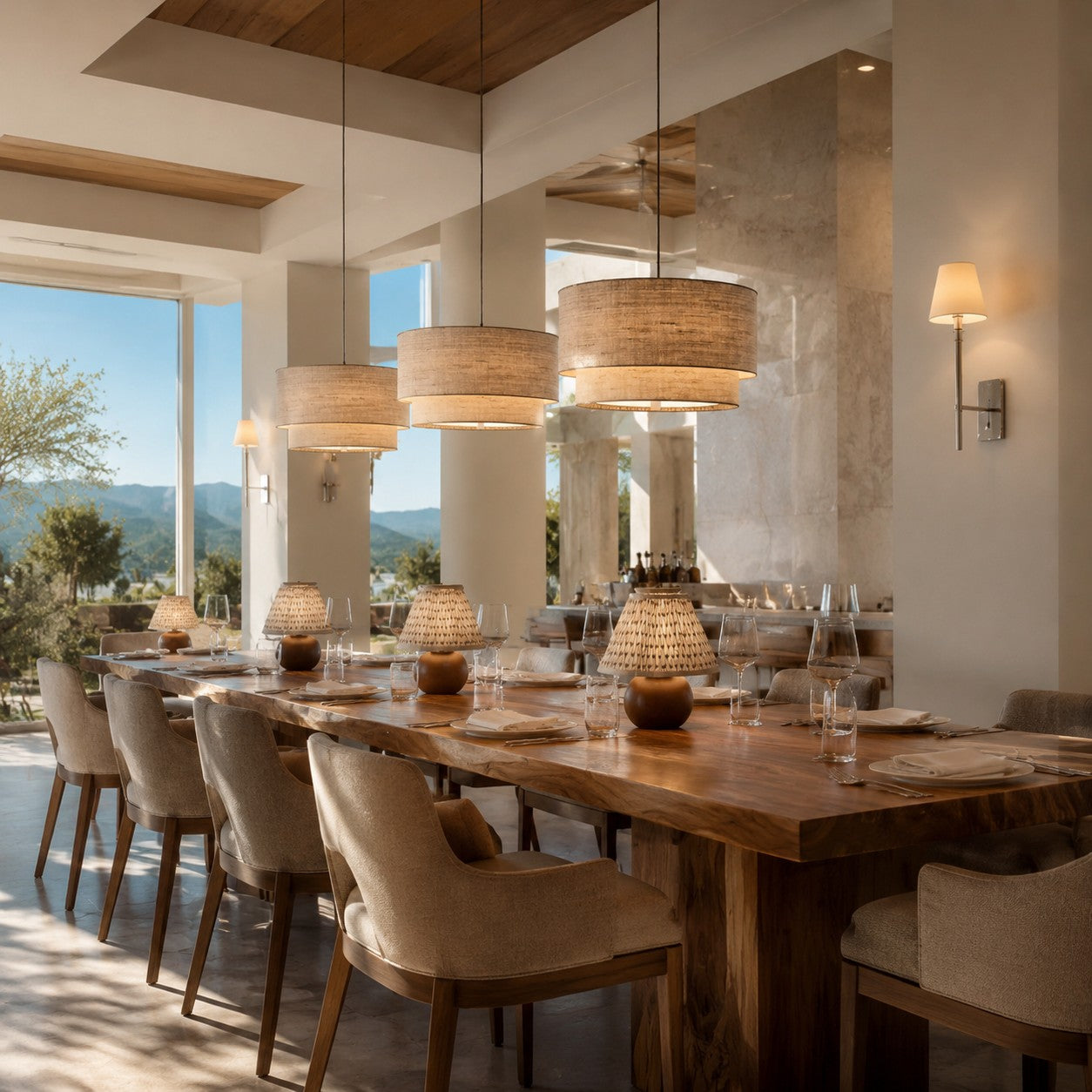
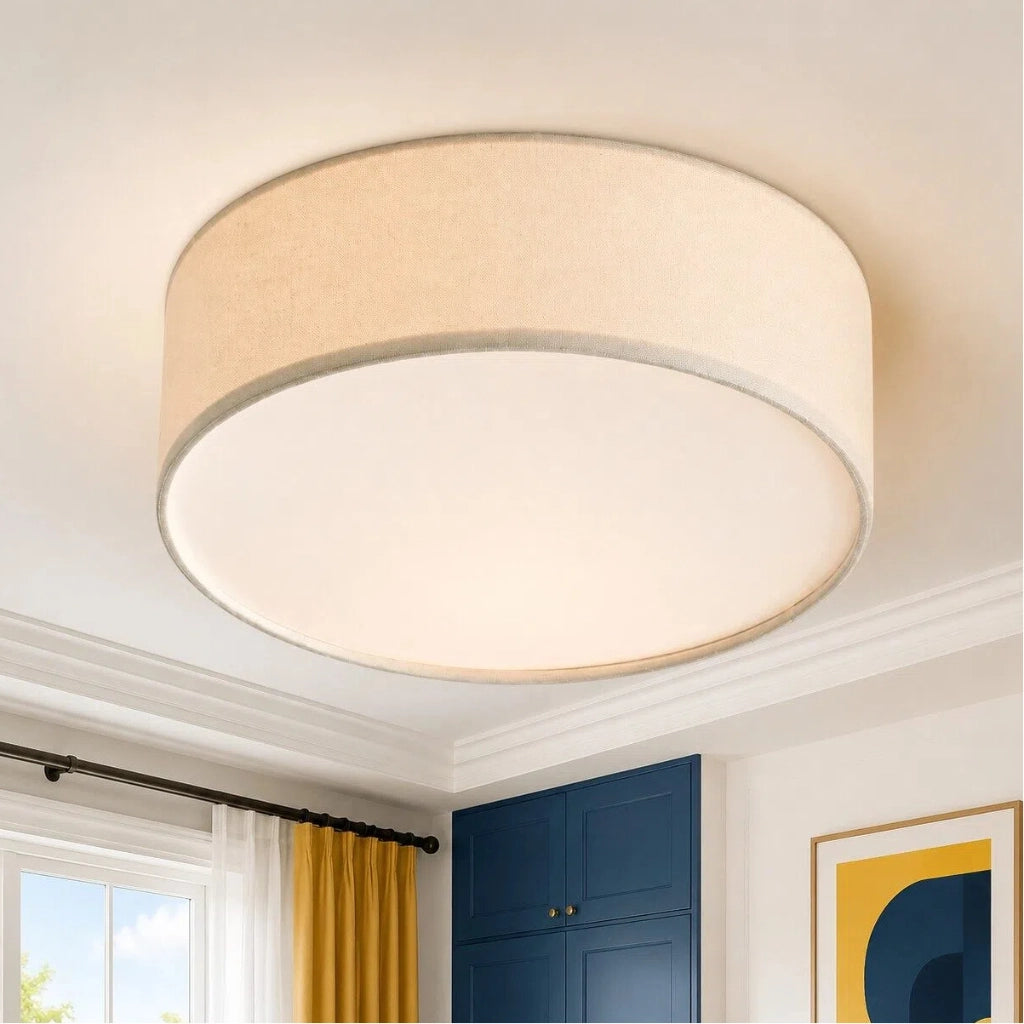
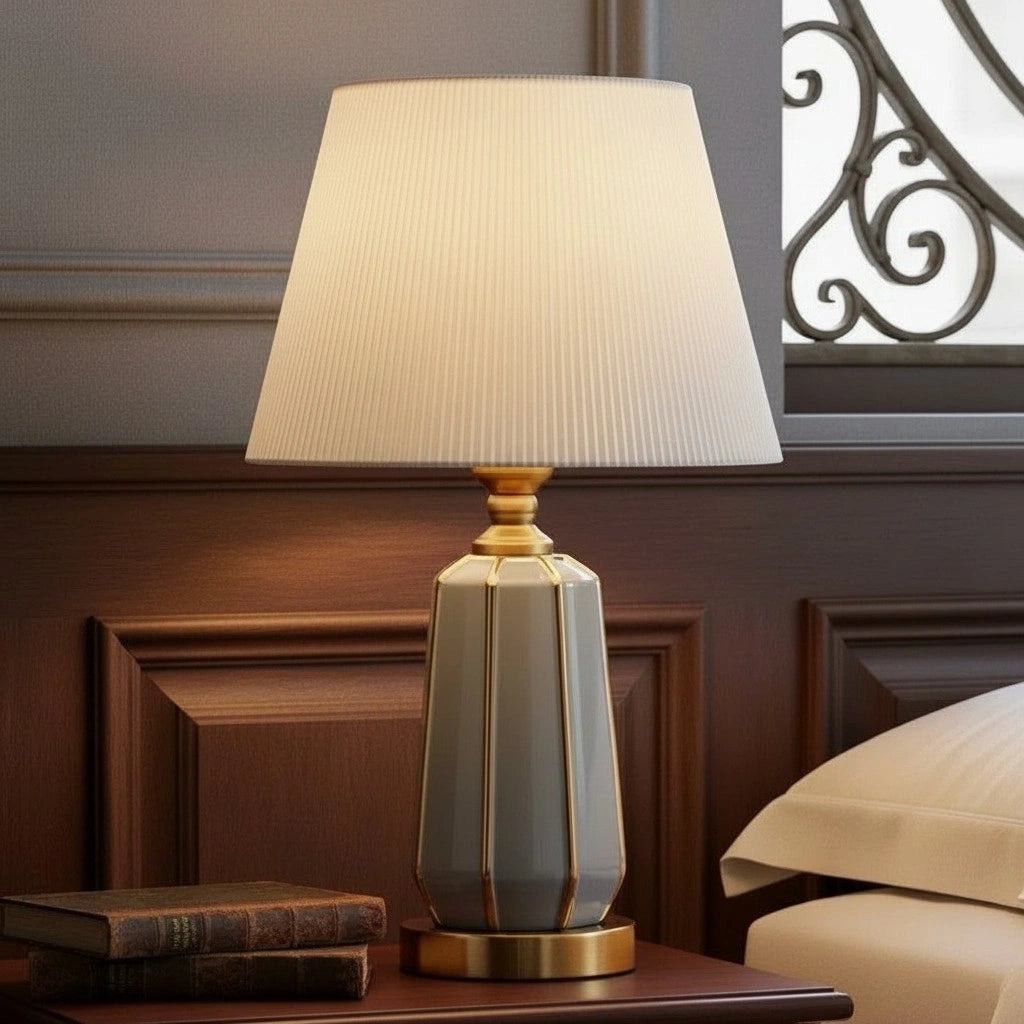
A fabric shade filters light through fibre, weave and lining.
Open weaves reveal more texture and brighter points of light. Dense weaves create a quieter, more even glow. A lining can control colour shift and improve illuminated consistency.

07 / Capiz Shell
Layered Translucency and Natural Iridescence
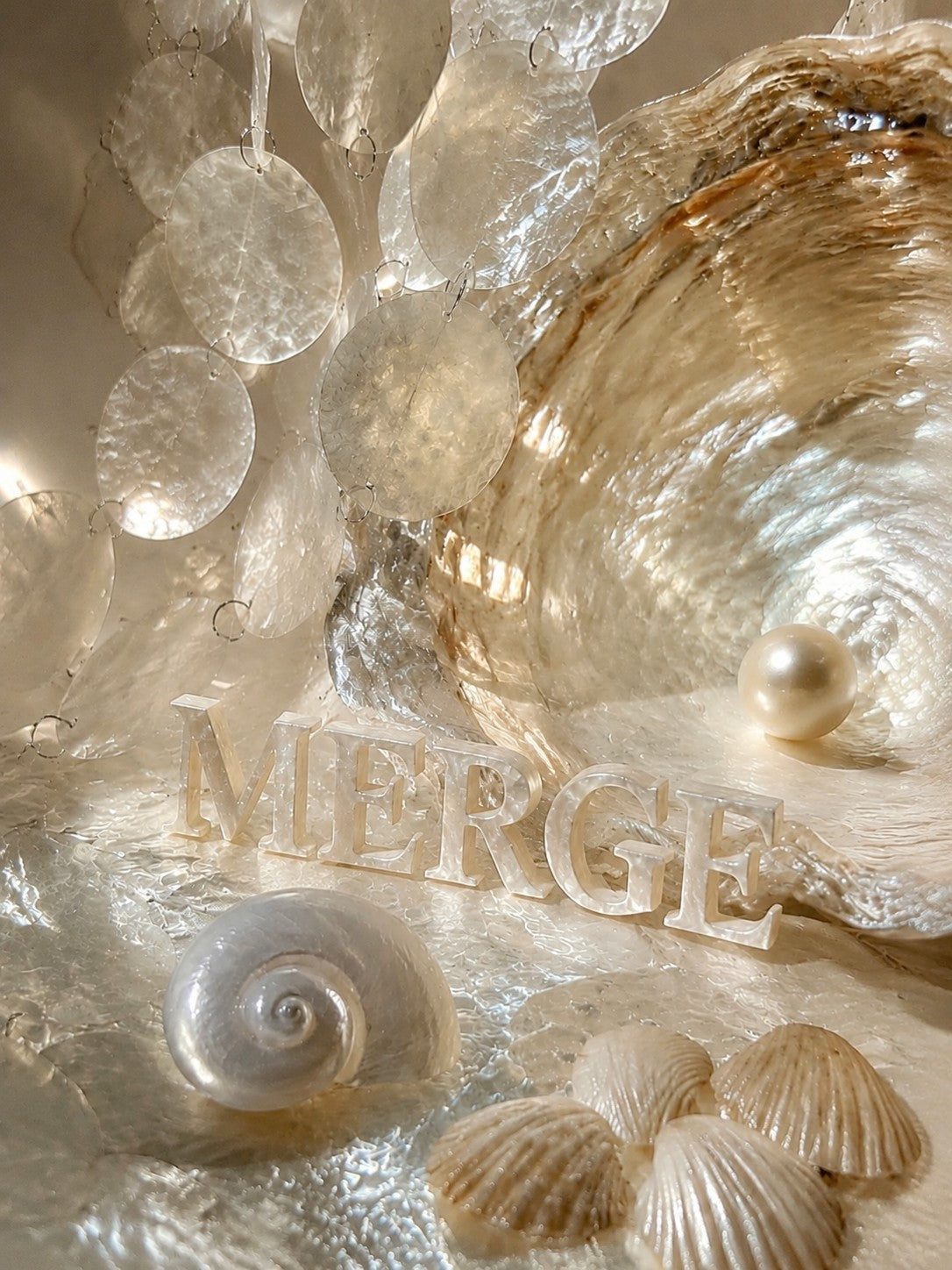
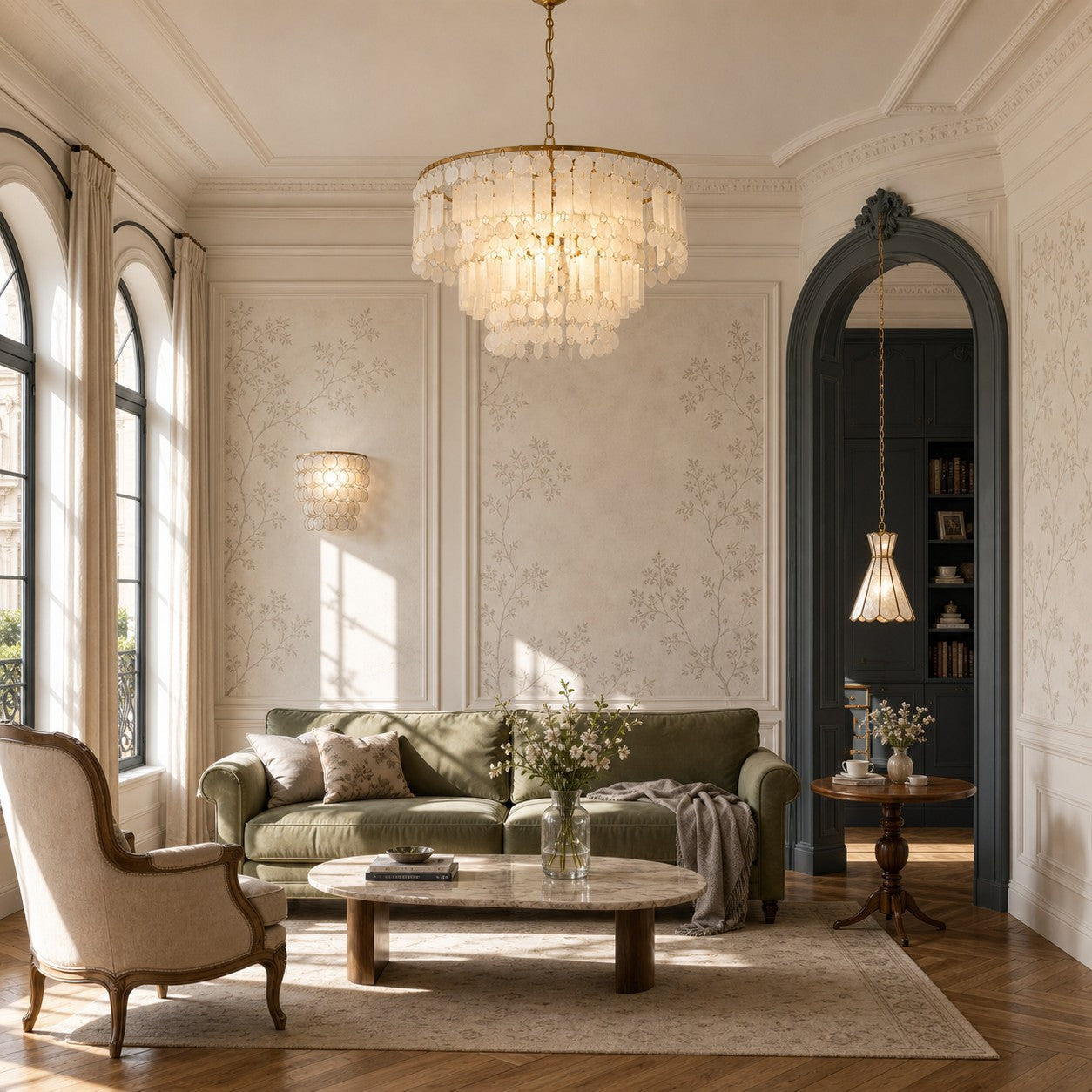
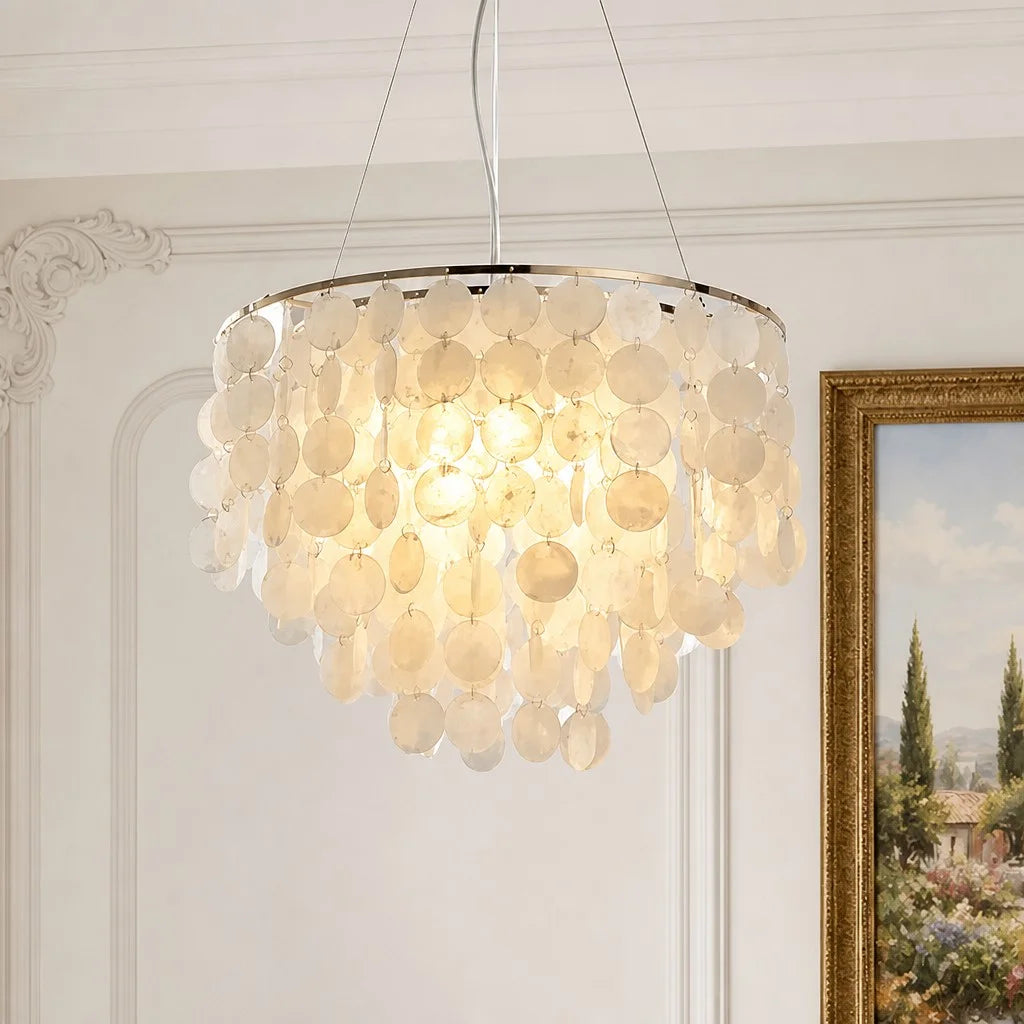
Capiz shell filters light through thin natural layers.
Cut size, thickness, overlap, joining and backing determine whether the finished fixture feels delicate, rhythmic or densely luminous. Genuine shell carries irregular mineral depth and non-repeating translucency.

08 / Rattan
Woven Structure That Draws With Shadow
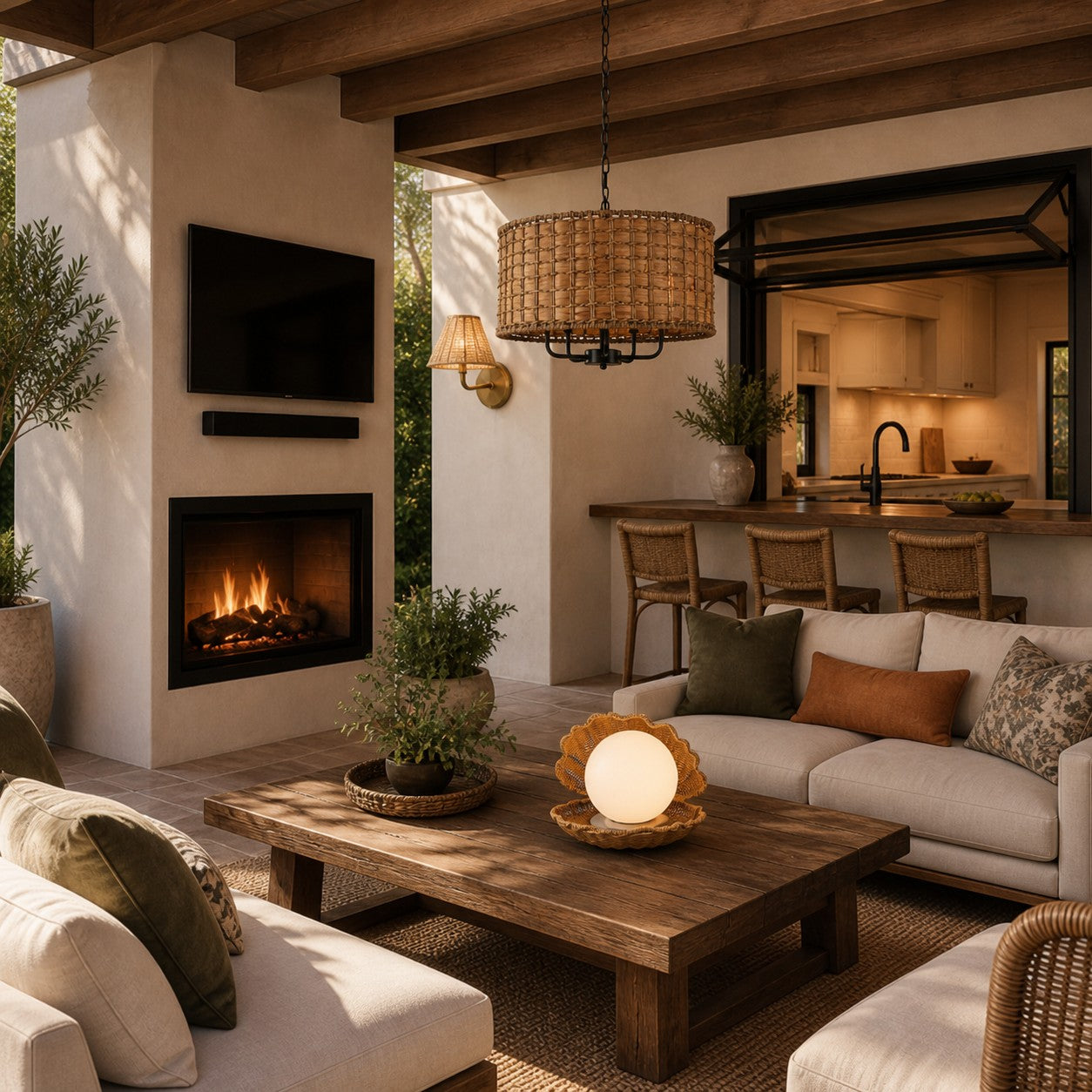
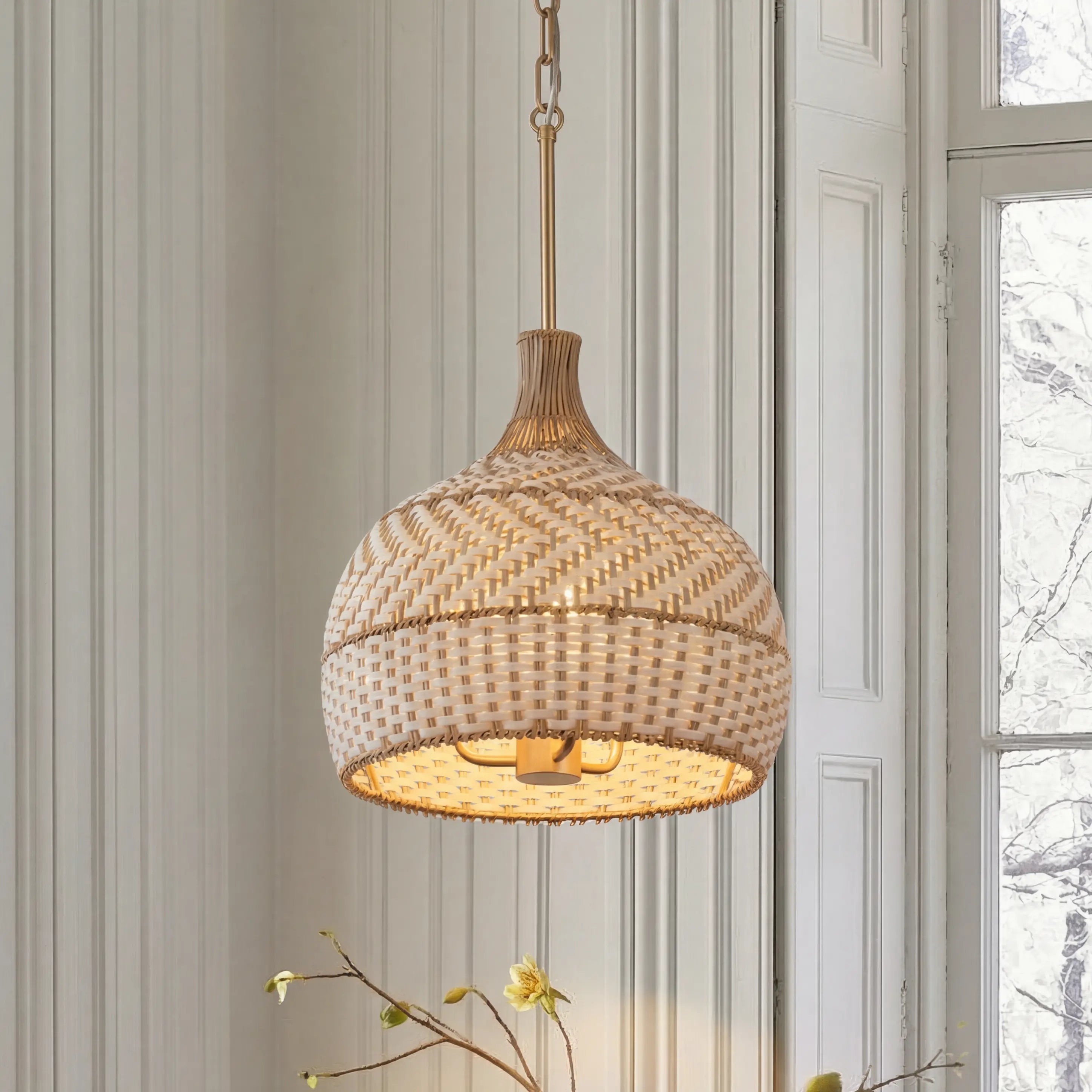
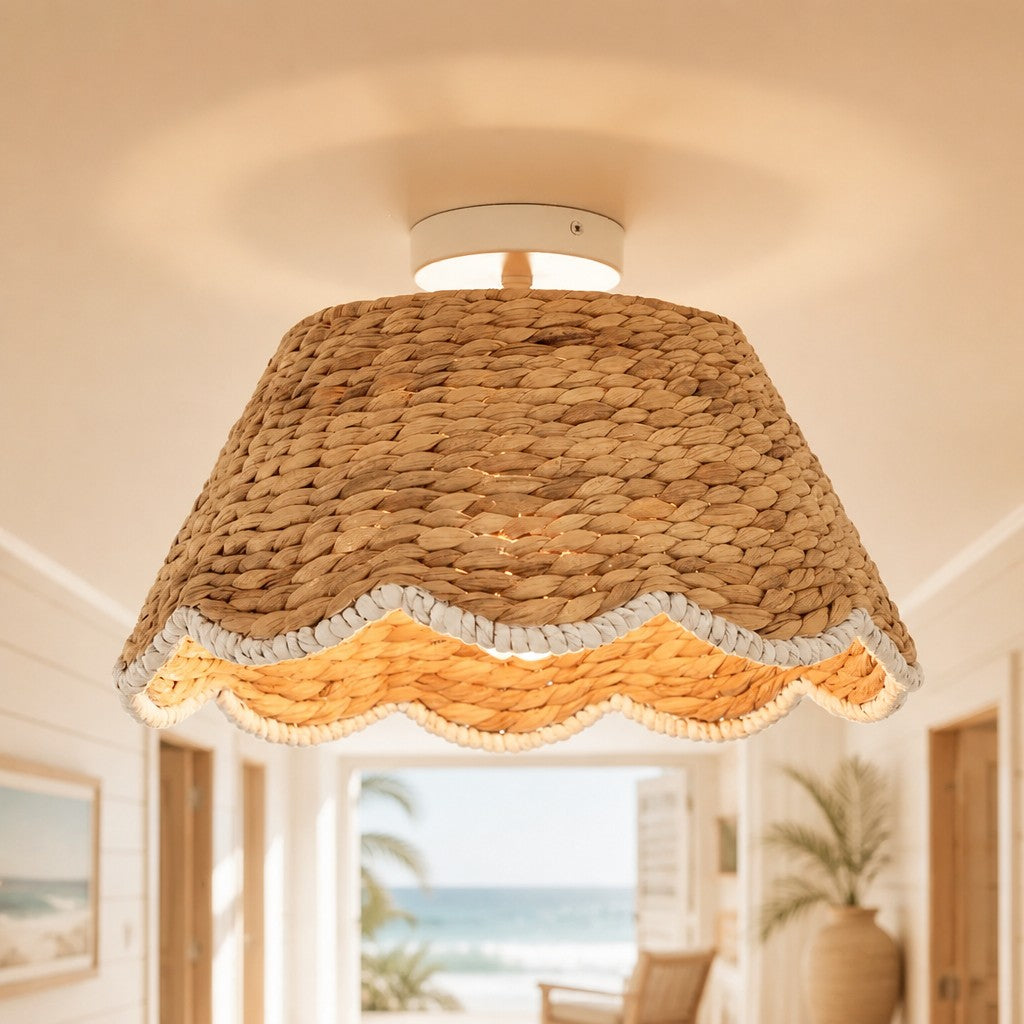
Material grade, strand preparation, weave spacing and frame tension determine silhouette and shadow.
Rattan filters rather than fully diffuses light. An open weave produces brighter, more graphic shadows; a denser weave reduces source visibility and creates a quieter effect.

Proof, Not Just Claims
See What the Description Is Based On
Not every natural difference is a defect, and not every irregularity should be accepted as character. Our role is to define the difference clearly.
Neutral SampleMaterial photographed in controlled daylight.
Illuminated SampleThe same material under a documented source.
Macro DetailTexture, edge and construction made visible.
Approved RangeReal variation shown across several pieces.
ProcessForming, finishing or assembly behind the result.
SupportCare, replacement and relevant product records.
For Homes and Projects
Choose With Clarity.
Specify With Confidence.
For the Home
Understand the light, compare finishes, anticipate natural variation and care for the fixture correctly.
For Designers
Access finish samples, material IDs, dimensions and project support.

Mergelighting
Choose the Material.
Understand the Light.
The right material gives a fixture more than a finish. Explore lighting by material, compare the details and select with confidence.