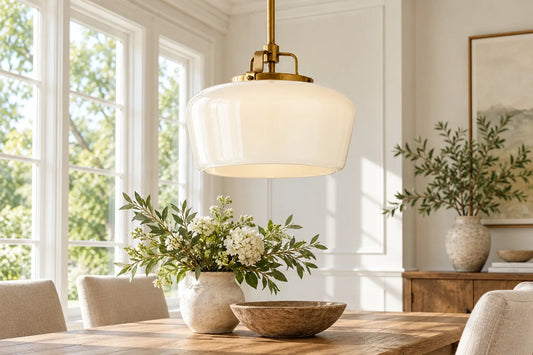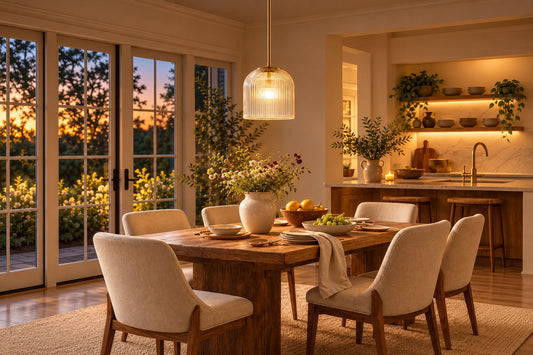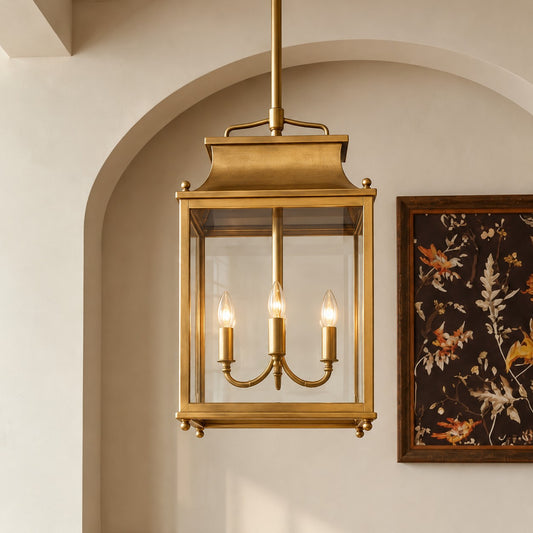
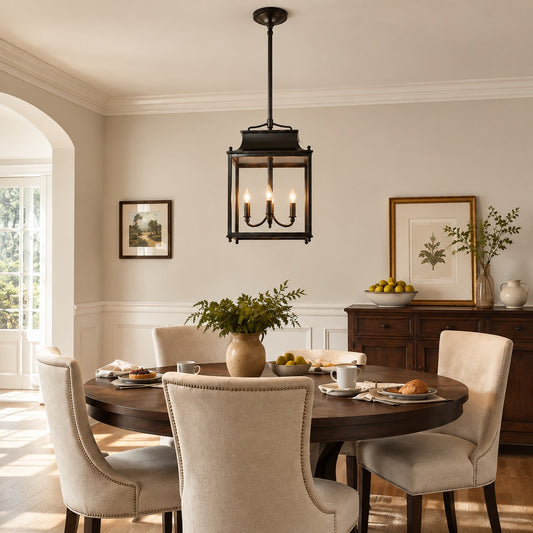
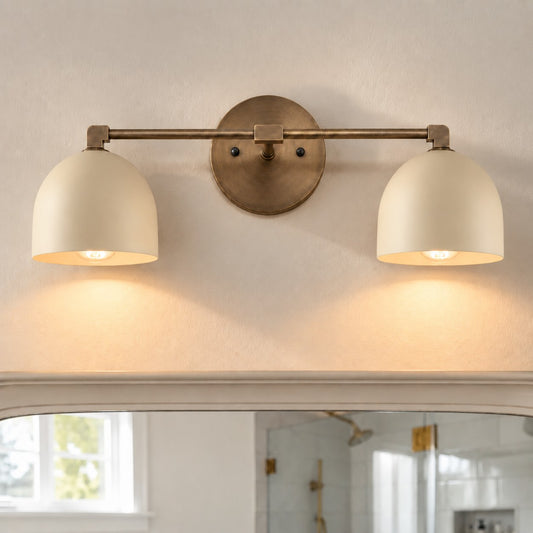

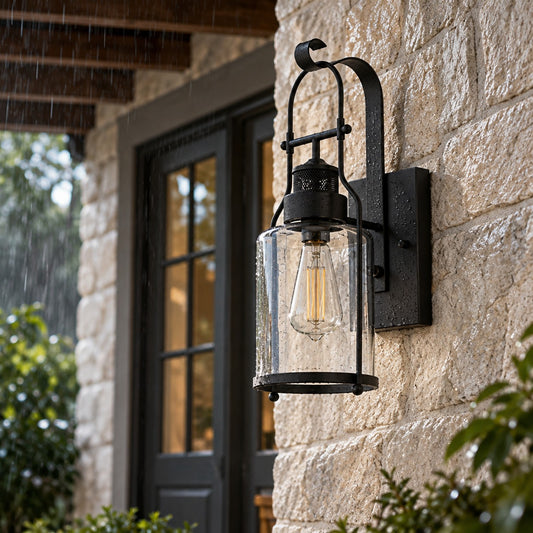
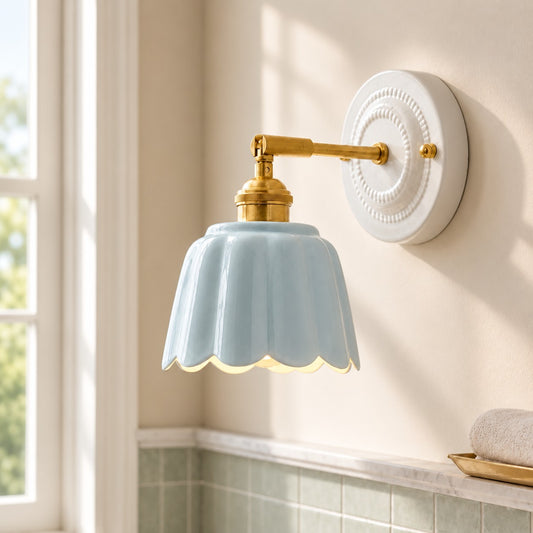
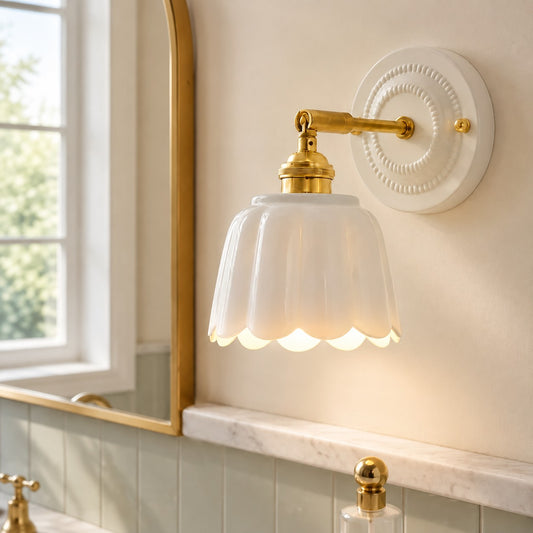

Ceramic lighting is having a quiet moment in American homes because it does more than decorate. It brings form, glaze, and reflected light into one object you live with every day.
Choose ceramic when you want texture you can see in daylight and a softer edge once the fixture is on. Matte glazes calm a room. Gloss glazes catch highlights. Opaque ceramic bodies shape light by reflection more than by glow-through, so silhouette, glaze, and placement matter as much as bulb choice.
Why Ceramic Lighting Feels So Fresh Right Now
Homes are moving toward materials that feel made, not stamped. Ceramic fits that shift. On Merge Lighting's materials story, ceramic is defined by form, surface, and reflected light working together. Most decorative ceramic bodies are opaque, so the shade or base does not behave like clear glass. It holds color, catches grazing light on glaze, and gives the room a hand-finished presence even when the bulb is off.
That is why ceramic reads as both useful and artful. A bowl pendant can center a table. A flower sconce can finish a hallway. A gourd table lamp can soften a bedroom corner without adding visual noise. Browse the ceramic lighting collection with one filter in mind: which surface and silhouette will still look honest in daylight, not only after dark.

Form
Bowl, scallop, flower, gourd, and drum shapes set the silhouette before the fixture is switched on.
Surface
Matte glazes feel quieter. Gloss glazes read brighter and more reflective under the same lamp.
Reflected light
Opaque ceramic directs and softens by bounce and edge highlight rather than full translucency.
Not concrete
Fired ceramic supports finer forms, cleaner edges, and a wider range of durable matte, gloss, and textured glazes.
1. For the Dining Room: Make the Light the Centerpiece

Dining
Let glaze carry the conversation
Over a dining table, ceramic works best when the fixture is allowed to be the visual anchor. A bowl pendant such as the Evelyn Nordic colorful bowl ceramic pendant directs light gently downward while the glazed exterior holds color and contour in daylight.
Keep the rest of the table setting simple. One strong ceramic form usually beats a busy cluster of competing finishes. Confirm diameter against table width, then set hanging height so the shade frames faces without blocking sight lines.
2. For the Kitchen: Add Texture Without Clutter

Kitchen
One sculpted shade, less visual noise
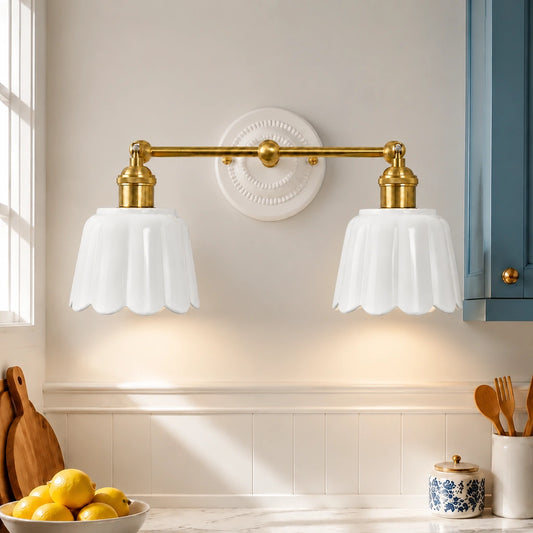
Kitchens already hold hardware, appliances, and open storage. Ceramic helps when the shade itself supplies texture. A scalloped floral pendant like the Miska multi-color ceramic pendant can sit over an island or nook and read as pottery, not as another metal cylinder.
Use ceramic where you want a soft decorative pause: a coffee corner, a short island run, or a breakfast bay. Leave task-heavy prep zones to brighter, more open fixtures if you need higher utility light.
3. For the Bedroom: Create a Softer, Calmer Mood

Bedroom
Shape first, glow second
Bedrooms reward ceramic bases that stay calm when the lamp is off. The Beatrix vintage ceramic gourd base table lamp uses a celadon ceramic body and fabric shade to deliver soft ambient light for nightstands, reading corners, and dressers.
Pair matte or quietly glazed ceramic with linen, wood, and low-contrast bedding. Avoid stacking too many glossy objects on the same surface; let the ceramic form stay the quiet sculpture of the room.
4. For the Living Room: Treat the Lamp Like Art

Living room
Give the silhouette room to read
In living rooms, ceramic table lamps earn their place when they look intentional in daylight. Think of the base as a small sculpture that also happens to hold a shade. A gourd or tapered ceramic body next to a sofa, console, or reading chair can finish a vignette better than another generic drum lamp.
Leave negative space around the fixture. One ceramic lamp on a clear surface often looks more expensive than two competing accessories fighting for the same shelf.
5. For Entryways and Hallways: Give Small Spaces a Signature Moment

Entry and hall
A small ceramic gesture can define the path in
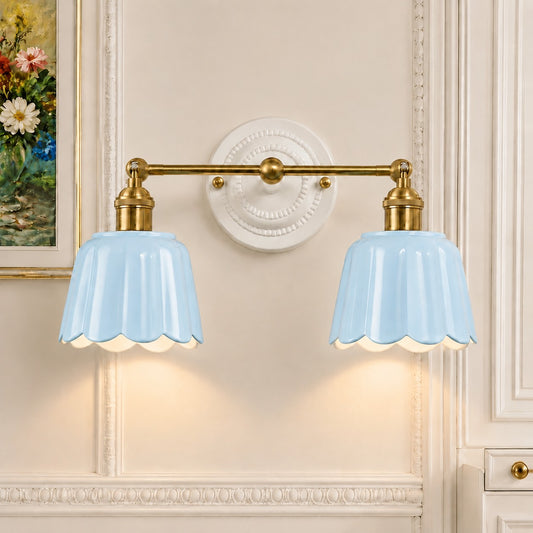
Narrow rooms need character without bulk. A scalloped flower ceramic wall sconce such as the Sidney vintage flower ceramic wall sconce adds a finished moment on brass hardware without claiming floor space.
Use a single sconce to mark a turn, or a pair to frame a console or mirror. Adjustable heads help aim light onto artwork, keys, or a bench without flooding the whole hall.
How to Choose the Right Ceramic Light for Your Space

- Name the job. Dining centerpiece, island accent, bedside calm, living-room sculpture, or hall signature.
- Read the glaze. Matte quiets a busy room. Gloss adds sparkle beside wood and stone.
- Check opacity and beam. Opaque ceramic reflects and shapes light; it will not wash a room the way clear glass does.
- Match scale. Bowl and scallop pendants need table or island width. Sconces need wall clearance and head height. Table lamps need surface depth.
- Coordinate metal, not match everything. Brass or black hardware should echo one existing finish nearby, not every handle in the house.
- Confirm listing facts. Material mix, bulb base, dimensions, and care notes vary by product. Use the product page as the source of truth.
Simple daylight test
View the ceramic fixture in a product photo or sample under cool window light and under a warm lamp. If the glaze still looks honest in both, it will usually live well in a real American home that changes light all day.
Ceramic Lighting and the New American Home
The current American home is less about matching sets and more about a few materials that feel grounded: wood, linen, stone, and fired clay. Ceramic lighting sits comfortably in modern farmhouse, quiet modern, coastal, and collected traditional rooms because it bridges craft and everyday use.
It also pairs cleanly with other Merge material stories. If you are building a layered plan, compare ceramic's opaque, tactile presence with the optical behaviors in the glass lighting making guide or the softer textile mood in the silk lighting guide. Different materials do different optical work; ceramic's strength is surface character you can read up close.
Final Thoughts: Let Your Lighting Have a Little Soul
The best ceramic lights do not shout. They hold a shape, a glaze, and a quiet point of view. Choose the room job first, then the silhouette, then the surface. When those three agree, the fixture feels less like a catalog add-on and more like something that belongs to the house.
Explore pendants, sconces, table lamps, and ceramic fixtures in the Merge Lighting ceramic lighting collection. Current sitewide offer: 12% off with code MER12 during the Halloween event window shown on the storefront.
Bring ceramic character into the room
Compare glaze, scale, and silhouette, then choose the ceramic fixture that still looks intentional when the house is quiet and bright.
Tags:
Previous
Kitchen Island Goals: Stunning Brass Pendant Lights
Next
The Travertine Trend: Why Everyone is Obsessed with Stone Lighting Right Now