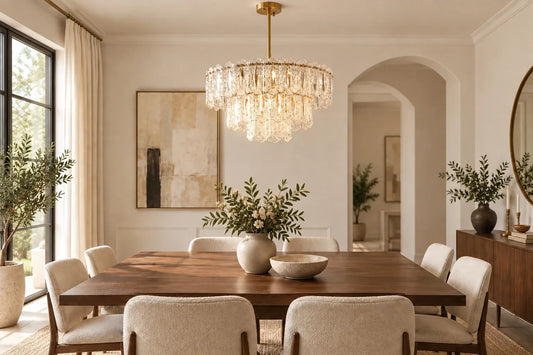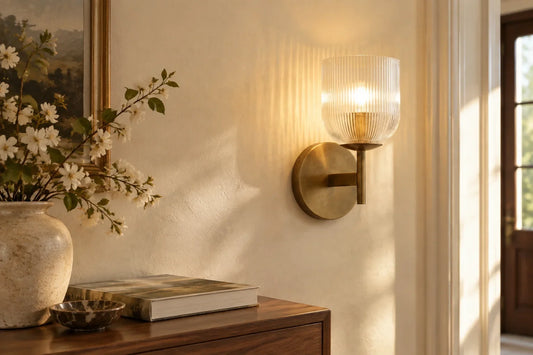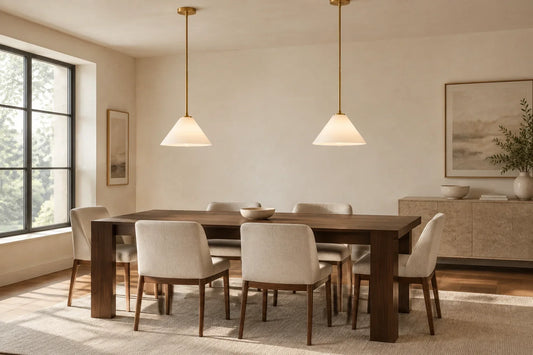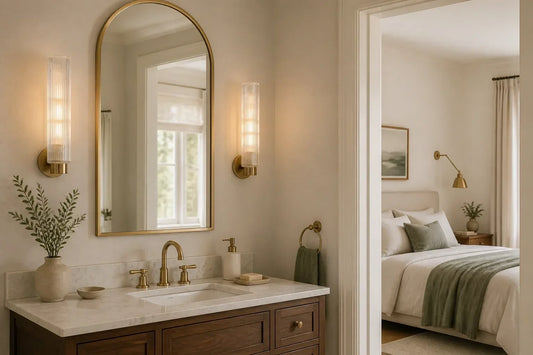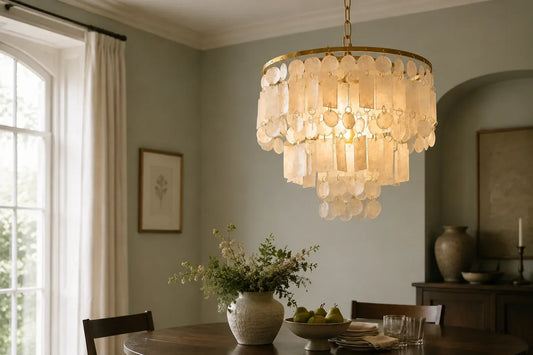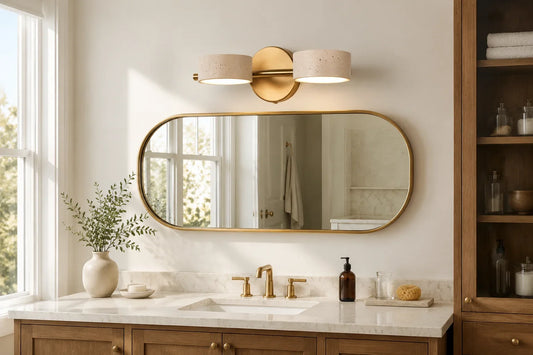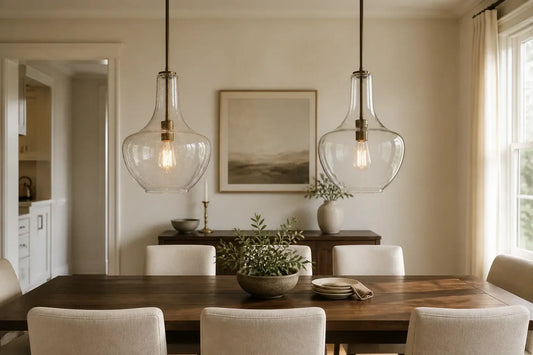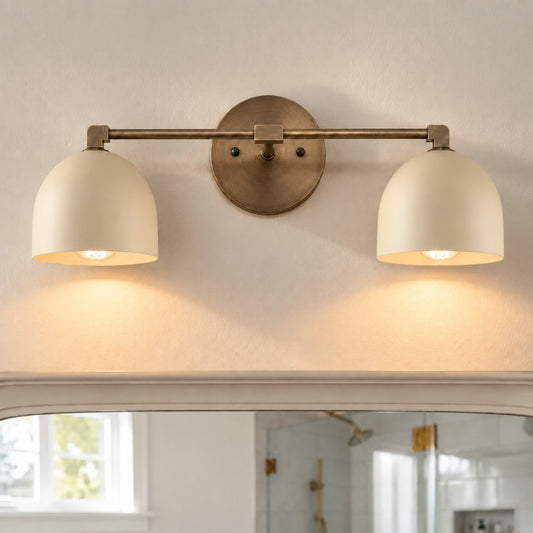
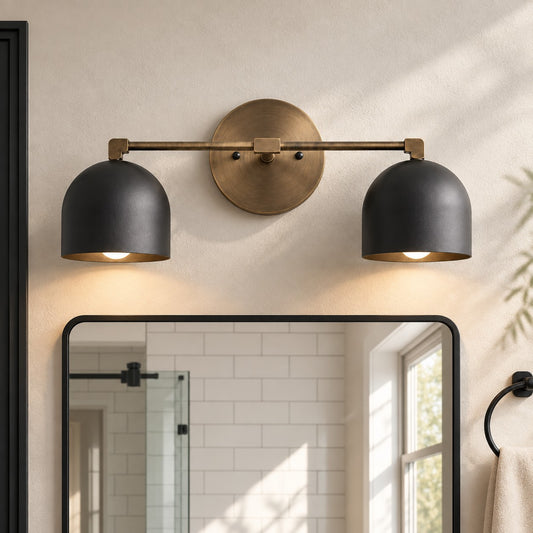
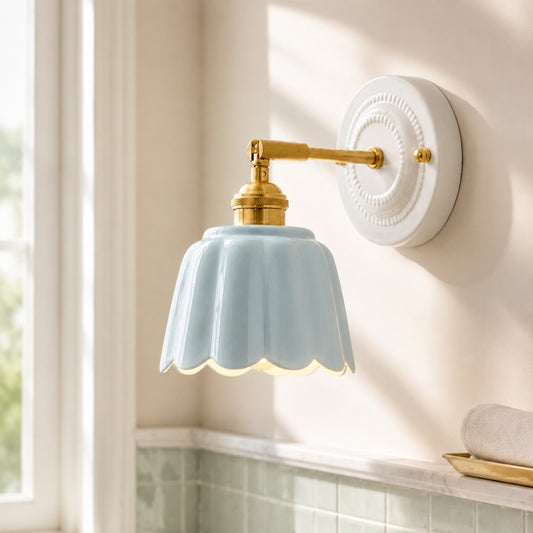
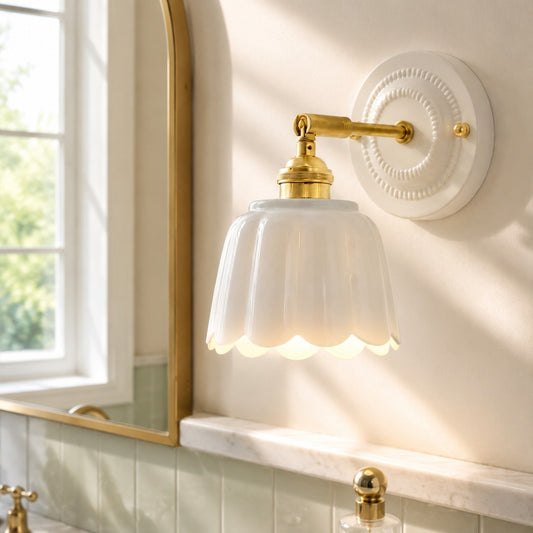
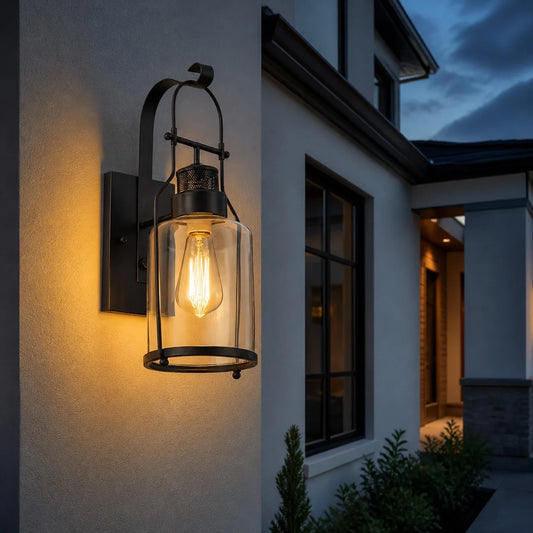
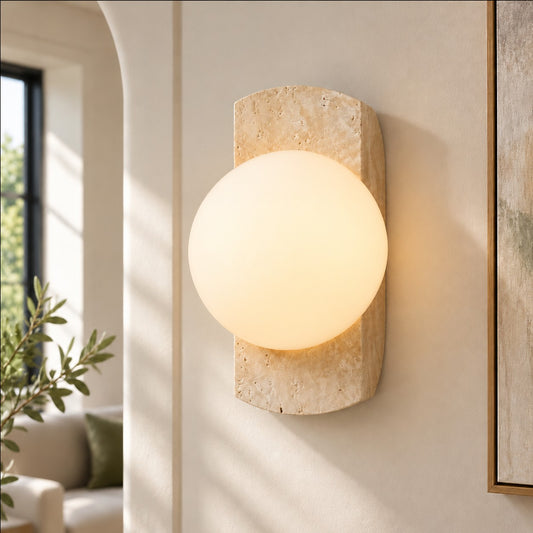
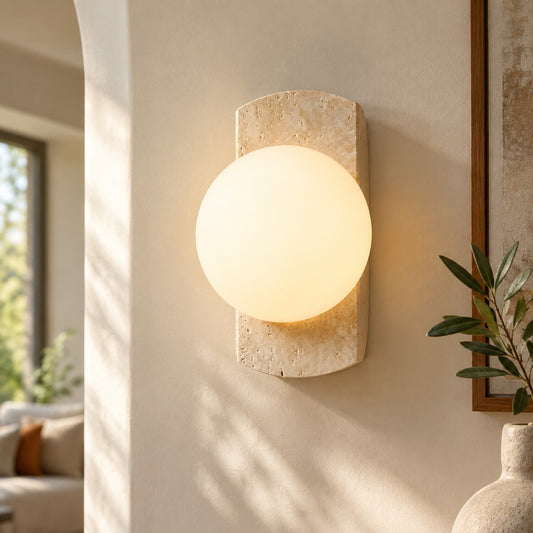
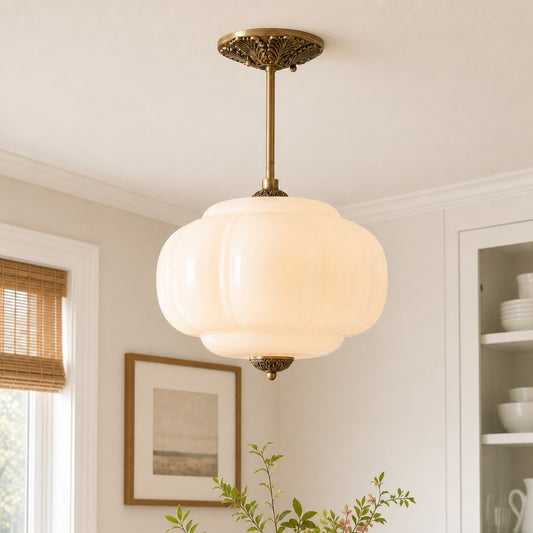
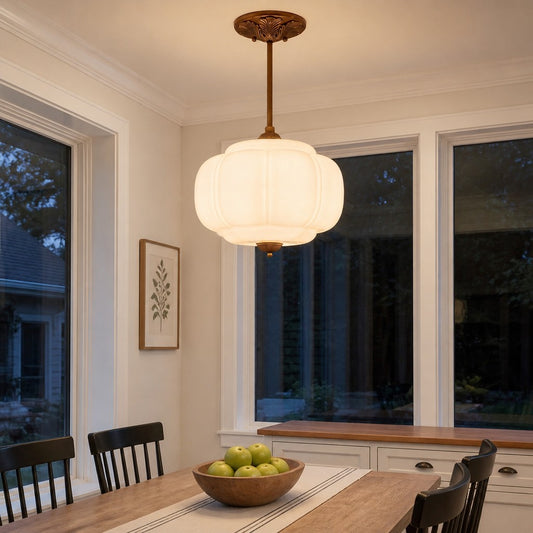

Ceramic lighting brings color, texture, and a crafted surface to fixtures that also have very different jobs. Pendants organize light over a table or counter, sconces free up floor space and shape the wall, and table lamps add portable light at eye level.
The best choice begins with function, then moves to ceramic finish and form. Start by deciding where the light must fall, measure the available space, and check the fixture's bulb base and installation type. Then use glaze, color, and relief to connect the light with the room. The Merge Lighting Ceramic Light collection shows how broad that range can be, from pleated pendants and floral sconces to substantial glazed table lamps.
The quick answer
Choose a pendant for focused light and a ceiling-level focal point, a sconce for layered wall light where surface space is limited, and a table lamp for flexible ambient or reading light. For every type, compare dimensions, shade openness, bulb visibility, ceramic finish, switching, and hardwired versus plug-in installation.
Ceramic or Porcelain: What Is the Difference?
Ceramic is the broad family of fired-clay materials; porcelain is a ceramic made from a refined clay body and fired to become dense and hard. In lighting descriptions, the words may be used at different levels of specificity. The practical buying lesson is to evaluate the exact surface, thickness, color, and construction shown for the fixture rather than assuming one word determines quality.
Glazed ceramic
A glaze can be glossy, matte, translucent, or richly colored. Gloss catches sharper reflections; matte surfaces read softer and make sculptural relief easier to see.
Porcelain character
Porcelain can support crisp edges, fine painted decoration, and a refined pale body. It is still a fired material, so handle shades and bases carefully during unpacking and installation.

Ceramic Pendant Lights: Shape the Light First
A ceramic pendant is both a shade and an object in the upper half of the room. An open cone directs more useful light toward a counter or table; a shallow decorative shade creates a wider visual presence but may expose the bulb from seated eye level. Before choosing color, check shade diameter, shade height, total suspension range, and whether one fixture or a measured group suits the surface below.

Painted detail
A compact pendant can carry strong pattern
The Orin Hand-Painted Ceramic Pendant is 7 inches in diameter and 3.5 inches high, with blue floral or striped decoration and brass details. Its compact shade makes the pattern prominent without creating a heavy overhead mass. It is hardwired, uses an E26/E27 base, and supports up to 40W; the bulb is not included.
For a quieter modern look, the Lillian Pendant measures 7.8 inches in diameter by 5.5 inches high and comes in blue, white, or black. Its E14 socket and 15W rating differ from Orin's specifications, which is a useful reminder to compare the exact electrical details even when two fixtures have a similar visual scale.
Ceramic Wall Sconces: Check Projection and Glare
Sconces work best as part of a lighting layer rather than the room's only source. Use them to frame a mirror, soften a hallway, flank a bed, or add low-level evening light. Projection matters in circulation zones: measure from the wall to the fixture's furthest point, then check how the shade controls the bulb at normal eye level.

Soft globe light
Pair ceramic color with a diffusing shade
The Elena Ceramic Orb Wall Light combines a yellow or blue ceramic base with matte opal glass. It projects 6.61 inches and is 5.24 inches wide, so it can add color without occupying a broad wall area. It uses a G9 bulb up to 6W, sold separately.

Sculptural wall accent
Let relief replace extra decoration
The 9.8-inch Ruby Ceramic Flower Wall Sconce pairs a ceramic flower form with a glass shade and offers several body colors. Because the relief is already expressive, it works best against a relatively quiet wall. This model is hardwired, uses a G9 base, and does not include the bulb.
Ceramic Table Lamps: Balance Height, Footprint, and Shade
For a table lamp, total height determines where the light sits in your field of view, while the base footprint determines whether the lamp fits the furniture safely. On a nightstand, keep room for essentials and check switching access. On a living-room end table, judge the lamp while seated; on a console, a larger base can act as a decorative anchor.
| Example | Verified size | Best use | Key check |
|---|---|---|---|
| Noelle Ceramic Table Lamp | 11 in. diameter x 15.7 in. high | Nightstand, small end table, compact console | E27, push-button switch, bulb not included |
| Beatrix Gourd Base Lamp | 17.7 in. diameter x 34.2 in. high | Large end table, console, substantial reading corner | E26 with B22 adapter, maximum 40W, bulb not included |

Compact and adaptable
Use the shade to soften the ceramic base
The Noelle Ceramic Fabric Shade Table Lamp pairs a glazed base with a textile shade. Its 15.7-inch total height is easier to place on compact furniture than an oversized statement lamp. It supports a 40W incandescent bulb or LED equivalent and can be dimmer compatible when used with a suitable dimmer.

Large-scale statement
Give a tall lamp enough furniture below it
At 34.2 inches high, the Beatrix Ceramic Gourd Base Table Lamp is a significantly larger object. Its 17.7-inch diameter requires a generous tabletop, and the ceramic, cloth, and metal combination suits a traditional or collected interior. Mock up both its width and height before ordering.
Choose a Finish That Works Switched Off
White and ivory
Quiet against pale walls, but sculptural ribbing or floral relief keeps the fixture visible. Use shadow and texture rather than strong color for interest.
Colored glaze
Blue, yellow, or black ceramic behaves like a permanent room accent. Repeat the color once or twice elsewhere rather than matching every object.
Hand-painted pattern
Best when viewed at close to medium range. Give painted pendants and lamps a calmer background so the detail remains legible.
Ribbed or floral form
Relief changes with daylight and creates character without printed pattern. Dust can settle in deeper grooves, so include care in the decision.
A Room-by-Room Ceramic Lighting Guide
Kitchen & dining
Use an open ceramic pendant such as Lillian for downward light, or make a compact patterned fixture such as Orin the decorative note above a small table.
Bedroom
A pair of Elena sconces can keep nightstands clear; a Noelle table lamp is easier to reposition. Decide whether permanent wiring or portable switching suits the room.
Living room
Use the Ruby sconce as wall sculpture or let the taller Beatrix lamp anchor a reading corner. Avoid crowding two equally ornate pieces into one sightline.
Cleaning and Handling Ceramic Lights
Routine cleaning
Switch the fixture off and allow it to cool. Remove loose dust with a clean, soft microfiber cloth. Support removable ceramic parts with two hands and follow the exact product instructions before taking shades apart.
Avoid damage
Do not spray cleaner onto an installed light, soak painted details, or use abrasive pads on glaze. Keep ceramic parts from knocking against metal hardware, bulbs, or countertops during maintenance.
Installation boundary: confirm whether the exact product is hardwired, verify the electrical box and wall or ceiling support, and use the specified bulb base and wattage. A qualified electrician is the safer choice for hardwired pendants and sconces.
Ceramic Lighting Buying Checklist
- Pendant, sconce, or table lamp for the required light layer
- Exact width, height, projection, and installed drop
- Glaze color and finish in daylight and at night
- Shade opening, diffusion, and bulb visibility
- Hardwired or plug-in installation
- Bulb base, maximum wattage, and bulb inclusion
- Switch and dimmer compatibility where stated
- Safe clearance and stable mounting or tabletop support
Use this checklist to narrow the style before comparing individual specifications. Browse the complete Ceramic Light collection, open the products that fit your room, and verify the exact size, finish, bulb, and installation details for the option you plan to order.
Find the Right Ceramic Light
Explore sculptural pendants, ceramic wall lights, and glazed table lamps from Merge Lighting. The current store offer is 12% off with code MER12.
Tags:
Previous
Travertine Vanity Lights: How to Choose and Style Them
Next
Hammered Glass Pendant Lights: A Complete Style and Buying Guide