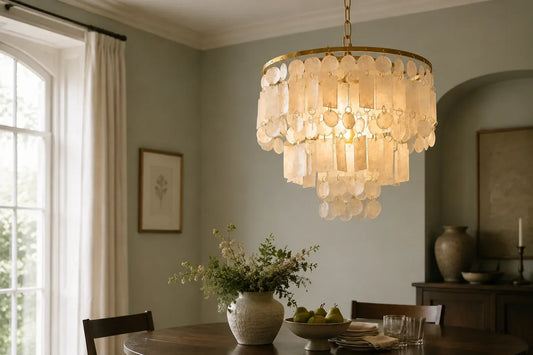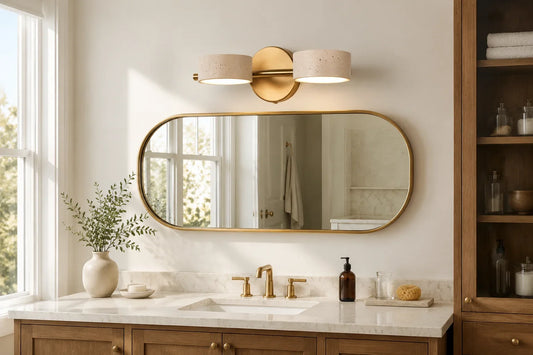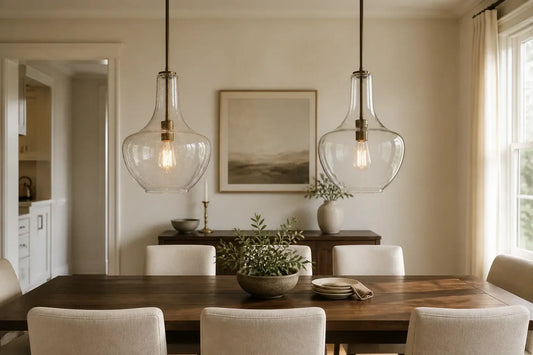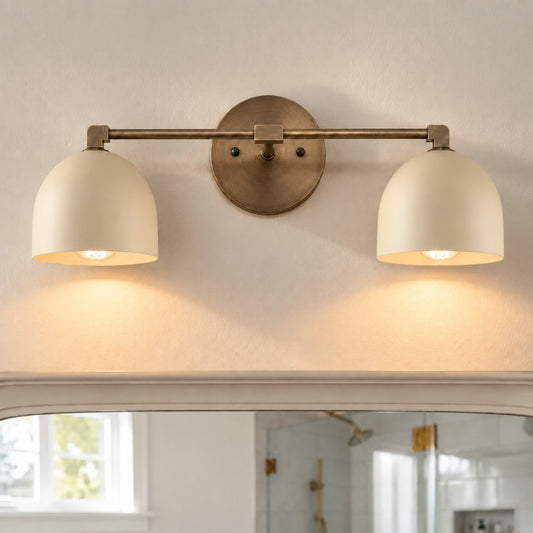
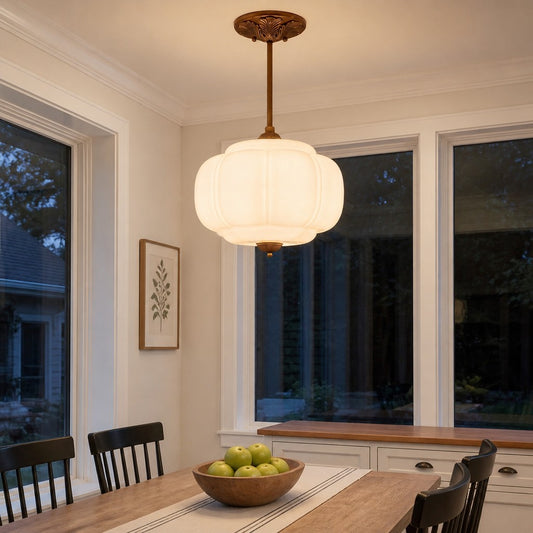


Milk Glass Lighting: The Perfect Blend of Vintage and Modern
In the world of interior design, trends often swing like a pendulum between two extremes. For years, we witnessed the dominance of stark, industrial minimalism—characterized by sharp lines, exposed Edison bulbs, and cold metallic surfaces. While this aesthetic offered a clean slate, it often left homes feeling more like clinical showrooms than lived-in sanctuaries. Today, the design pendulum is swinging back toward warmth, texture, and emotional resonance. Homeowners and interior architects alike are seeking elements that bring soul, history, and comfort into contemporary spaces without sacrificing modern sophistication.
Enter milk glass lighting. Once a staple of mid-century schoolhouses, Victorian estates, and mid-century modern diners, this classic material is experiencing a major renaissance. With its creamy, porcelain-like finish and unmatched ability to diffuse light, milk glass provides the ultimate bridge between eras. It possesses a unique aesthetic intelligence: it feels deeply nostalgic yet structurally clean enough to anchor a cutting-edge, minimalist space.
If you are looking to elevate your home's lighting strategy, understanding the history, functionality, and stylistic versatility of this material is the perfect place to start. Let’s explore why this timeless medium has recaptured the design world's imagination and how you can seamlessly integrate it into your own home.
The Story of Milk Glass: From Heritage to Modern Essential
To truly appreciate why milk glass feels so special in a modern interior, it helps to understand what it actually is. Unlike standard clear glass or chemically etched frosted glass, milk glass is an opaque or semi-opaque glass that boasts a rich, milky-white hue. First developed in Venice in the 16th century—where it was known as lattimo—it was originally created to mimic high-end porcelain, which was incredibly expensive to import from Asia at the time.
The material found widespread popularity during the Victorian era and experienced another massive boom in the early-to-mid 20th century across North America. The secret to its mesmerizing quality lies in its composition. Historically crafted by adding opacifiers such as bone ash, tin dioxide, or fluorite to the molten glass mixture, the material alters how light behaves. Instead of allowing light waves to pass straight through, the microscopic particles embedded within the glass scatter the light in every direction.
This brings us to a common point of confusion in modern interior design: the difference between traditional milk glass and modern alternatives. In contemporary design circles, you will frequently encounter terms like opal glass lighting. While modern opal glass uses similar light-scattering principles through advanced chemical compounding, genuine milk glass is celebrated for its slightly weightier, ultra-smooth, porcelain-adjacent depth.
Why is it trending so heavily right now? The answer lies in the evolution of "Warm Minimalism" and "Japandi" design movements. Modern homeowners are experiencing "cool-toned fatigue." We are stepping away from sterile white walls and harsh, integrated LED strips that mimic office environments. Instead, design lovers are embracing organic textures, warm woods, and plaster finishes. Milk glass fits into this movement perfectly. It offers a soft, tactile quality that instantly humbles a room, making a space feel curated and collected over time rather than styled overnight from a single catalog.
The Functional and Aesthetic Superpowers of Milk Glass
Beautiful lighting should never come at the expense of comfort. One of the greatest challenges in modern interior design is managing "light pollution" within our own living spaces. Many contemporary light fixtures prioritize the external silhouette of the lamp while ignoring the actual quality of the light cast upon the human eye. This is where milk glass outperforms almost every other material on the market.
1. The Ultimate Glare-Free Illumination
Have you ever sat at a kitchen island or relaxed in a living room, only to find yourself constantly squinting because an exposed bulb was piercing your peripheral vision? It’s a common design flaw. Clear glass fixtures look beautiful when turned off, but once illuminated, they often create harsh glares and intense, directional shadows.

Milk glass completely eliminates this issue. Because the entire shade acts as a diffuser, it transforms the sharp, concentrated output of a lightbulb into a soft, ambient glow. It distributes light evenly across a 360-degree radius, eliminating harsh shadows and creating an incredibly soothing atmosphere. This gentle distribution of light is essential for creating a space that feels relaxing, welcoming, and architecturally balanced.
2. A Premium Visual and Tactile Presence
There is a distinct difference between cheap, acid-etched frosted glass and premium soft white glass lighting. Inferior frosted glass often carries a chalky, dry texture that looks flat and gathers dust or fingerprints easily. True high-quality milk glass, however, possesses a glossy, fire-polished surface that catches the daylight beautifully.
During the daytime, when the light is turned off, a milk glass fixture acts as an elegant white sculpture against your walls or ceiling. It provides a clean, graphic contrast to dark paint colors or blends harmoniously into light, neutral backdrops. When night falls and the bulb inside is lit, the fixture undergoes a magical transformation, turning into a warm, glowing orb that radiates comfort. It is this dual personality—an art piece by day, a mood-setter by night—that gives it such a premium edge.
Designing with Intention: Style Pairings That Work
One of the most remarkable attributes of milk glass is its chameleonic nature. It does not demand that your home adhere to one strict design era; instead, it adapts to and elevates the existing architecture. Here is how it effortlessly syncs with the most coveted design styles of today:
- The Vintage & Antique Enthusiast: If your home celebrates architectural history, milk glass is a natural extension of your taste. It pairs beautifully with rich, dark woods like mahogany and walnut, intricately patterned wallpapers, and historical paint colors. It honors the past without making your home feel like a dusty museum, especially when featuring refined metallic accents.
- Mid-Century Modern Sophistication: Mid-century design is all about clean lines, functional forms, and organic shapes. Milk glass was heavily utilized during this era because its smooth geometry perfectly balanced the sharp angles of tapered legs and low-slung furniture. It adds a touch of classic, retro optimism to living rooms and dens.
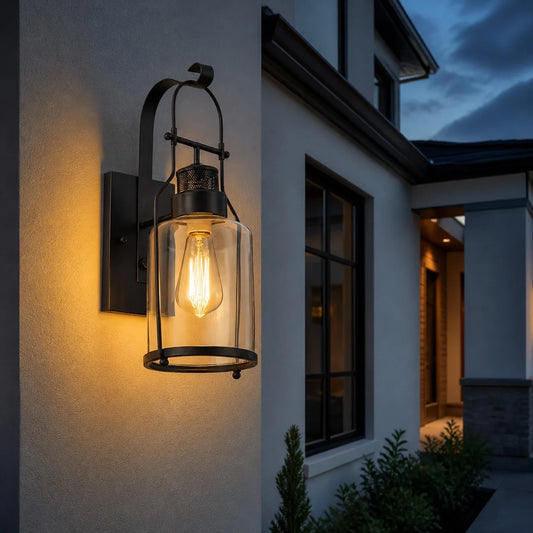
- The Modern Farmhouse Evolution: The modern farmhouse aesthetic has matured significantly over the last few years. The trend is moving away from distressed, overly rustic barn-wood details and heading toward a cleaner, more refined "estate" look. Swapping out stark black metal cage lights for milk glass is the quickest way to upgrade a farmhouse interior. It retains that hard-working, utilitarian heritage while introducing a much-needed layer of softness and sophistication.
- Warm Minimalism & Contemporary Spaces: In a strictly contemporary home dominated by concrete, glass, and sharp geometry, a vintage glass lamp style fixture serves as an essential counterpoint. The rounded curves and soft white tones break up the monotony of straight lines, proving that a space can be thoroughly modern while remaining deeply inviting.
Spatial Guide: Where to Cast the Perfect Glow
To maximize the impact of milk glass in your home, it helps to approach placement with a strategic, room-by-room mindset. By understanding the specific lighting needs of different functional zones, you can use milk glass to solve structural design problems while enhancing the beauty of your layout.

1. The Kitchen Island: Creating a Warm Gathering Hub
The kitchen is no longer just a place for meal preparation; it is the true emotional heart of the modern home. It’s where families chat over morning coffee, children do homework, and guests gather during dinner parties. Therefore, kitchen island lighting needs to balance functional task lighting with inviting ambient light.
Many modern kitchens suffer from a lack of visual texture because they are dominated by flat, hard surfaces: quartz countertops, stainless steel appliances, and flat-panel cabinetry. Hanging a row of milk glass pendants over your island introduces an organic, softer element into the workspace.
When positioning fixtures here, look for designs that break away from completely standard, uniform spheres. Opting for silhouettes that feature subtle, thoughtful tailoring—such as delicate ridges or scalloped perimeters—can introduce a beautiful sense of movement.
For instance, hanging a series of the Eloise Vintage Scallop Milk Glass Pendant Light across an island creates an exquisite visual rhythm. The unique pumpkin-petite proportions and organic scallop details capture a distinct French-bistro elegance, ensuring your kitchen looks highly customized. For optimal design balance, suspend a milk glass pendant light roughly 30 to 36 inches above your countertop surface, spacing them evenly to align with the scale of your island.

2. The Hallway & Bathroom Vanity: Elevating Transitional Zones
Transitional spaces like hallways, entryways, and bathrooms are frequently overlooked during the initial stages of lighting design. Yet, these are the exact areas where we require the highest quality of light.
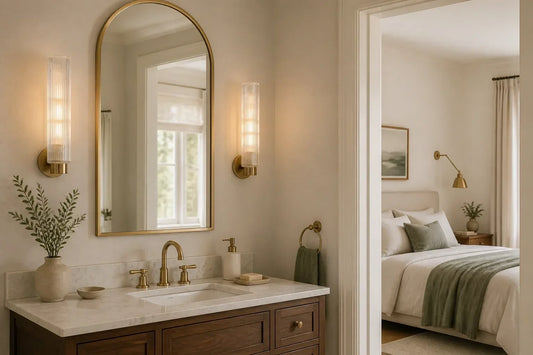
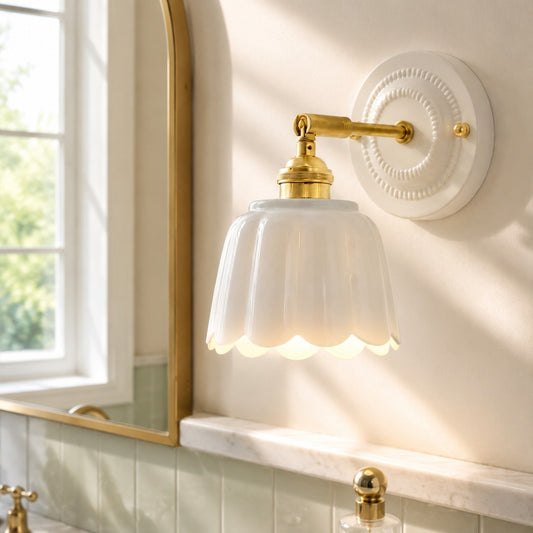
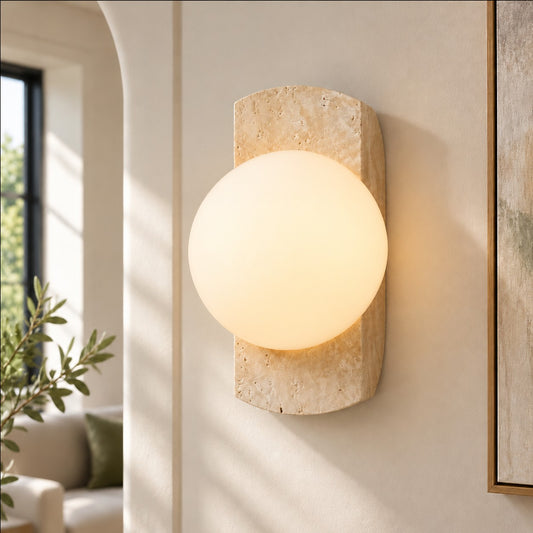
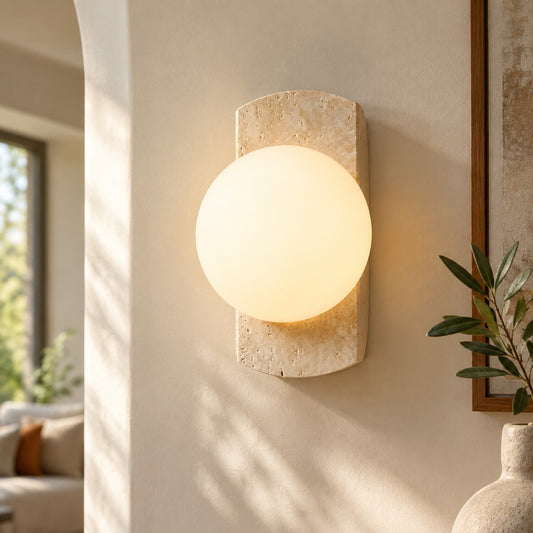
In a bathroom, specialized wall sconces mounted at eye level on either side of a vanity mirror are critical. If you use clear glass or harsh exposed bulbs in this area, you will be met with intense directional shadows on your face every time you look in the mirror. Utilizing milk glass wall sconces provides an exceptionally flattering, even wash of light across the skin, eliminating shadows and making your morning routine a far more pleasant experience.
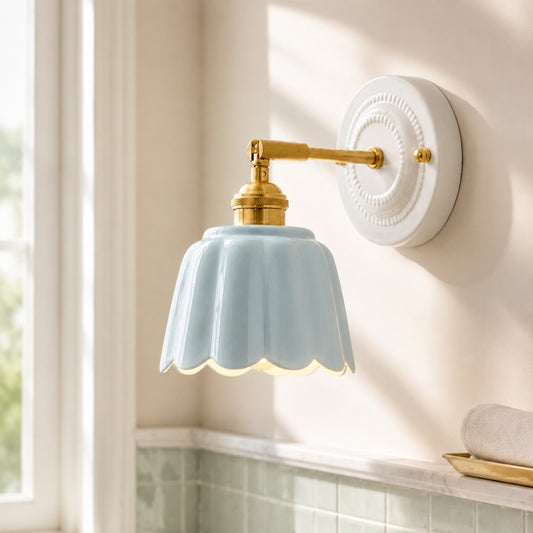
Furthermore, consider the materials supporting the glass. When milk glass is paired with a rich, deep metallic finish, the contrast is spectacular. A fixture like the Eloise Vintage Scallop Milk Glass Oiled Brass Wall Sconce highlights this balance beautifully. The deep, living finish of oiled brass anchors the whimsical scalloped edge of the glass shield, transforming a simple hallway or bathroom wall into a highly sophisticated, editorial viewpoint.

3. The Bedroom & Low-Ceiling Spaces: Maximizing Compact Footprints
One of the most universal challenges in residential architecture—particularly in standard North American builds—is managing rooms with lower or standard ceiling heights (typically around 8 feet). In these spaces, dropping a long, dramatic chandelier or pendant light is simply not practical, as it cuts off the visual field and poses a physical hazard.
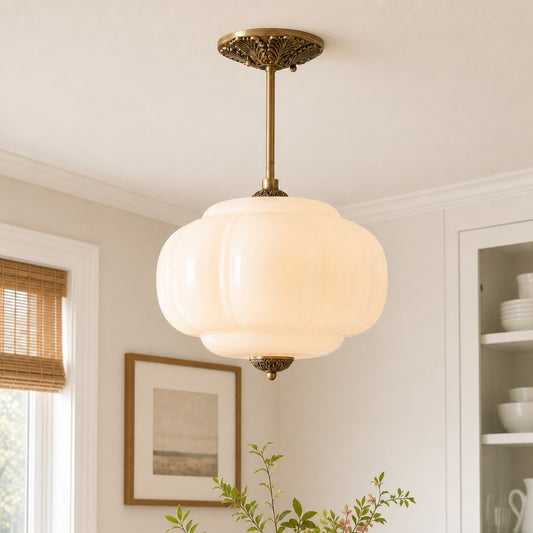
Unfortunately, the traditional alternative has been to install generic, uninspired builder-grade flush mounts that offer zero aesthetic value. This is where a high-design semi-flush mount comes to the rescue. By dropping just a few inches below the ceiling plane, a semi-flush fixture allows light to bounce off the ceiling surface itself, creating an illusion of greater height and spatial volume.
In a bedroom, where comfort and relaxation are paramount, the diffused nature of milk glass ensures that you are never staring up at a blinding filament while resting in bed. Integrating a piece such as the Eloise Vintage Scallop Milk Glass Semi-Flush Mount Ceiling Light allows you to maintain precious headroom while bringing an undeniable sculptural presence to the upper third of your room. It proves that you do not need soaring ceilings to showcase exceptional design taste.

Curating Your Space: The Art of Material Contrast
As you begin incorporating milk glass into your home, keep the principle of material contrast close at hand. Because milk glass is visually soft and pure white, it achieves its highest potential when styled alongside materials that possess weight, grain, and patina. Try pairing your fixtures with tactile elements such as unlacquered brass, dark seasoned oak, honed limestone, or slubby linen fabrics. Avoid surrounding a milk glass fixture with high-gloss plastics or overly reflective chrome, as these materials can clash with the historic, organic integrity of the glass. Think of your lighting as the final, perfecting layer of a room—the element that ties your textures together and bathes them in a unified, golden glow.
Investing in Timeless Design
Lighting is far more than a functional necessity; it is an architectural investment that defines how you experience your home. Trends will inevitably come and go, but materials that prioritize human comfort, exceptional craftsmanship, and historical versatility will always remain in style.
By choosing milk glass, you are selecting a material that has survived centuries of changing tastes for a reason: it simply works. It calms our modern, over-stimulated environments with a beautifully gentle emission of light while honoring the enduring beauty of classical form. Whether you are looking to redefine an entire open-concept kitchen or simply bring a touch of soulful ambiance to a quiet reading nook, exploring a dedicated, expertly curated collection is your next step toward an illuminated lifestyle.
Frequently Asked Questions
Is milk glass lighting out of style?
No, milk glass lighting is currently experiencing a major modern renaissance. While it carries a rich historical heritage, contemporary designs incorporate updated silhouettes, organic scalloped shapes, and premium metallic hardware like oiled brass, making it a staple for modern Warm Minimalism and Japandi interiors.
What is the difference between milk glass and opal glass?
Traditional milk glass is an opaque or semi-opaque porcelain-like white glass that uses specific opacifiers to scatter light. Opal glass is a modern counterpart utilizing similar light-diffusing chemical compounding. Genuine high-quality milk glass is often celebrated for its greater visual depth, fire-polished surface gloss, and weightier feel.
Can milk glass fixtures be used in bathrooms and humid spaces?
Yes, milk glass is excellent for bathrooms, especially around vanities. Because it diffuses light 360 degrees, it eliminates harsh directional shadows on your face, providing an exceptionally even and flattering wash of light for your daily routine. Ensure the fixture itself is rated for damp or humid environments before installation.
How do you clean milk glass light fixtures?
Cleaning milk glass is remarkably simple. Turn off the light and allow the fixture to cool completely. Wipe the exterior surface with a soft, lint-free microfiber cloth slightly dampened with warm water and a drop of mild dish soap. Avoid abrasive scrubbers or harsh chemical solvents to protect the glossy fire-polished finish.
Tags:
Previous
Rustic Lighting Ideas: Add Character with Industrial Style Metal Fixtures
Next
How to Choose Multi-Pendant Lights for Dining Tables & Kitchen Islands