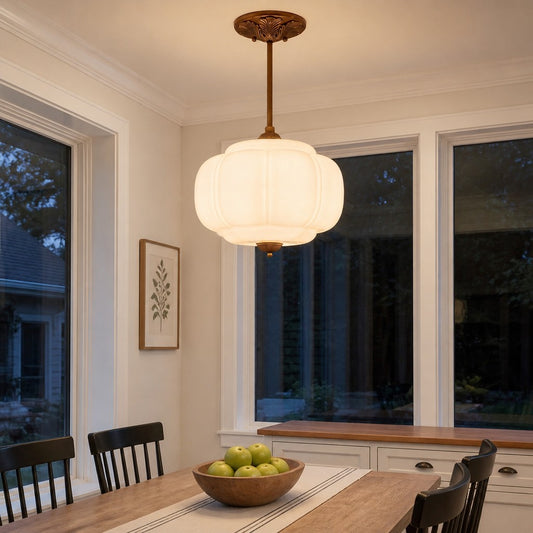

What Is Travertine Lighting? A Complete Guide to Natural Stone Lights
If you have kept an eye on recent interior design trends, you have likely noticed a beautiful shift. We are collectively stepping away from harsh, sterile metals and moving toward elements that possess a genuine soul. Today, creating a home sanctuary is all about texture, warmth, and authenticity. This design evolution has brought natural stone lighting straight into the spotlight, with one mesmerizing material leading the movement: travertine lighting.
What Exactly Is Pure Travertine Lighting?
To truly appreciate the magic of these fixtures, we first have to look at the stone itself. Travertine is a distinctive variety of terrestrial limestone formed over millennia around natural mineral hot springs. As geothermal water cooled and gases escaped during its formation, they left behind a signature network of organic pores, concentric rings, and delicate, pitted textures.
When artisans quarry this stone and sculpt it into a modern travertine light fixture, the result is a breathtaking contrast to traditional lighting design. Unlike the cold, reflective, and often uniform surfaces of mass-produced glass or metal, a premium stone light fixture brings a rich, tactile energy into a room.

What makes it feel so uniquely high-end comes down to three key natural traits:
- 100% Unique Fingerprints: Because it is shaped entirely by nature, no two travertine lights are ever identical. Every single piece features its own exclusive landscape of organic veins, swirling sediments, and subtle pits, meaning you are hanging a unique piece of natural art in your home.
- Inherent Warmth: Travertine naturally thrives in a gorgeous palette of earthy neutrals—ranging from soft cream and warm ivory to deep beige and rich walnut. These tones give the stone an organic glow that feels deeply inviting.
- An Unmatched Material Presence: There is a heavy, grounded, and premium feeling that comes with natural stone lighting. It instantly elevates a space by introducing a raw yet refined luxury that synthetic materials simply cannot replicate.
Why Travertine Light Fixtures Are Becoming Popular
In the fast-evolving world of interior design, tastes have shifted dramatically away from cold, hyper-glossy minimalism. Homeowners are searching for spaces that feel calmer, grounded, and deeply human. This exact craving for authenticity is why the travertine light fixture has skyrocketed in popularity across high-end homes.
As a cornerstone of modern organic lighting, travertine satisfies our desire to bring elements of the raw outdoor world inside. Here is why this breathtaking stone is dominating contemporary interiors:
- The Rise of Warm Minimalism and Wabi-Sabi: Design movements like Japandi and Wabi-Sabi celebrate the beauty of natural imperfections. Designers love using a textured travertine pendant light to crown a dining space, using its unique pitted surfaces and unrefined edges to offer an understated sophistication that loud, shiny metal fixtures cannot match.
- The Ultimate Cure for Sterile Rooms: Many modern homes feature stunning, clean lines but struggle with feeling a bit clinical. Introducing stone textures into warm neutral interiors breaks up the monotony of smooth drywall. For instance, mounting a minimalist travertine wall sconce onto a plain wall instantly injects depth and a sense of calm through layered, soft illumination.
- A "Quiet Luxury" Statement: True luxury is no longer about flashy crystal or polished gold; it is about rare, tactile materials that speak for themselves. Even on overlooked surfaces like the ceiling, choosing a statement travertine ceiling light serves as an artistic talking point that anchors a room without shouting for attention.
Exploring the Common Types of Travertine Lights
Because travertine is a highly workable stone despite its heavy, solid appearance, it can be meticulously sculpted into a variety of stunning architectural silhouettes. Whether you want to add a dramatic focal point or a subtle layer of texture, there is a stone light fixture designed for every function.
Here are the most common types of natural stone lighting making waves in modern interiors:
Travertine Pendant Light
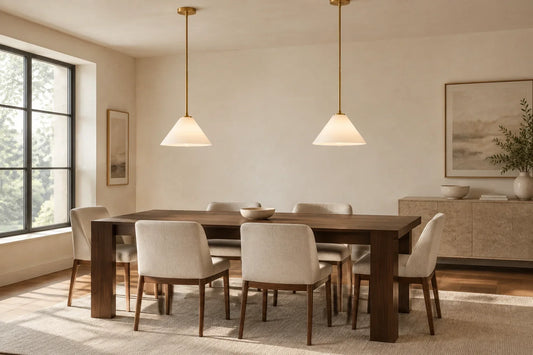
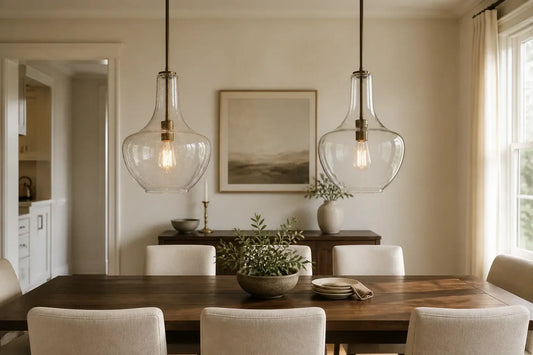
A premium travertine pendant light is the ultimate design statement for anyone seeking to embrace wabi sabi lighting or modern organic lighting. Suspended vertically, these fixtures drop down like functional stone sculptures. The solid weight of the stone hanging mid-air creates an unexpected and breathtaking visual contrast. When illuminated, the downward light beautifully catches the natural pitting and rings on the pendant's body, bringing a raw, earthy elegance to the air.
Travertine Wall Sconce & Vanity Light
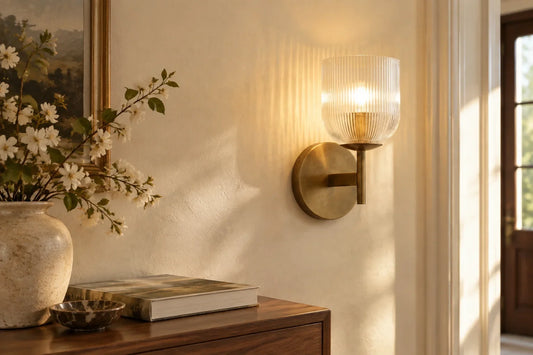
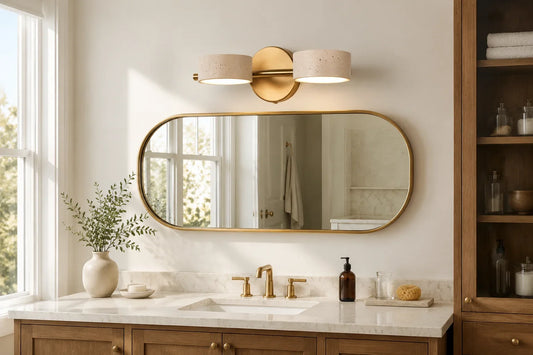
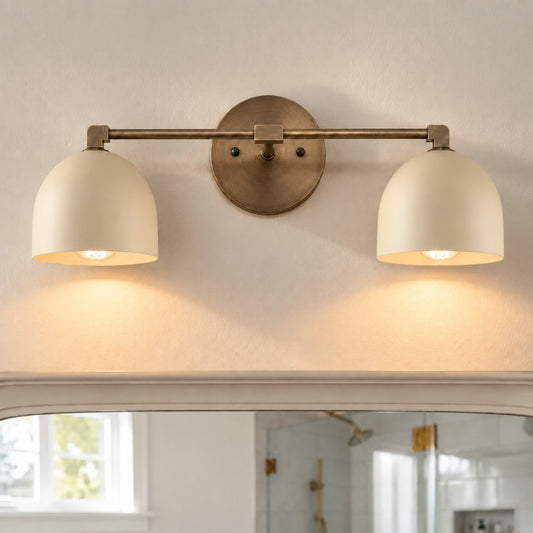
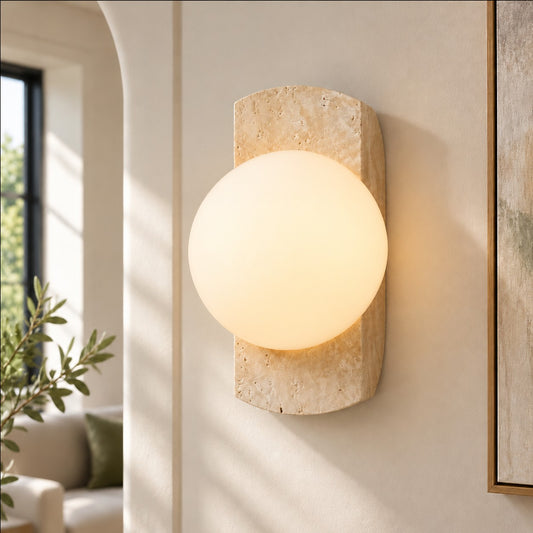
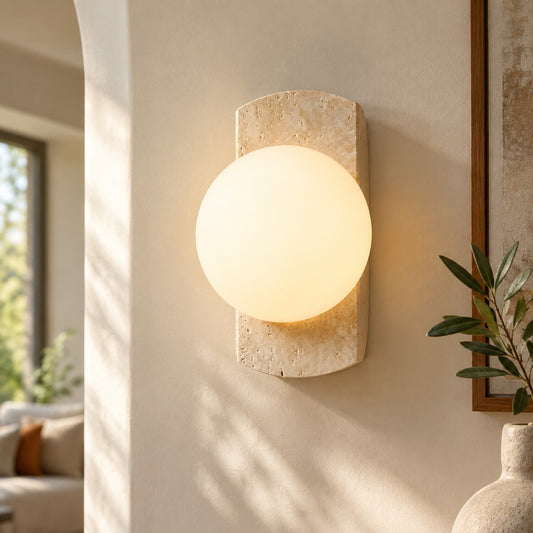
If you want to introduce sophisticated, layered lighting to your walls, a thoughtfully placed travertine wall sconce is a must-have. Because stone naturally blocks direct glare, these sconces typically wash the wall with a soft, indirect glow that highlights the stone’s rich natural texture. For spaces requiring functional yet beautiful grooming light, a travertine vanity light serves as an exquisite upgrade from standard metal strip lights, transforming an ordinary wall into a boutique-hotel feature.

Travertine Ceiling Light & Chandelier
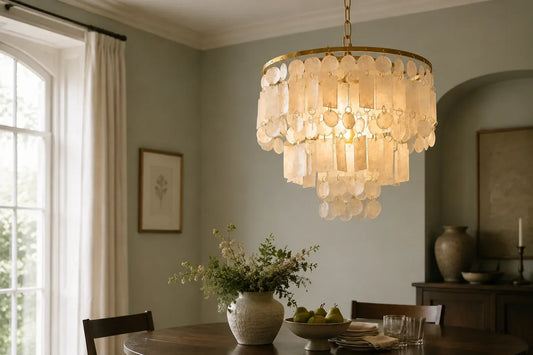
For spaces with lower clearance where a hanging fixture isn't ideal, a flush or semi-flush travertine ceiling light offers a clean, architectural look. It infuses low-key texture right onto the ceiling plane, an area often neglected in home design. On the other hand, if you want full, unapologetic luxury, a travertine chandelier combines multiple stone elements or pairs stone with warm metals to create a dramatic overhead masterpiece that commands the entire room.
Where to Use Travertine Lighting at Home
To fully unlock the aesthetic potential of natural stone lighting, placement is everything. Because travertine carries a distinct sculptural weight, it works best when positioned where it can interact beautifully with architectural lines and functional areas.

Instead of hiding these masterpieces away, here are the best spaces to layout your travertine fixtures for maximum visual impact:
- Elevating the Kitchen Island: Kitchens are often dominated by hard, slick surfaces like polished quartz, stainless steel, and flat-panel cabinets. Upgrading your kitchen island lighting with a linear row of two or three travertine pendants is a brilliant way to break up this visual coldness, instantly injecting an organic, high-end contrast.
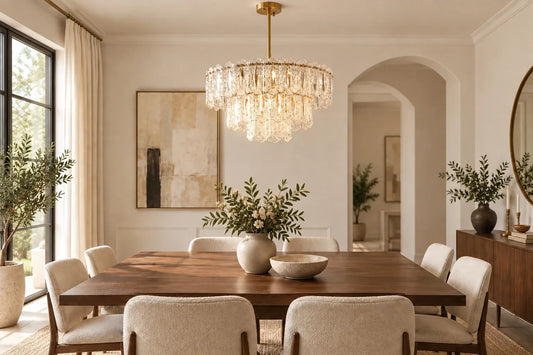
- A Focal Point for Dining Room Lighting: The dining table is the emotional heart of the home—a place for slow meals and deep conversation. Choosing a striking travertine fixture or a heavy-set stone chandelier for your dining room lighting establishes an unforgettable centerpiece that creates an intimate, museum-like dining atmosphere when dimmed low.
-
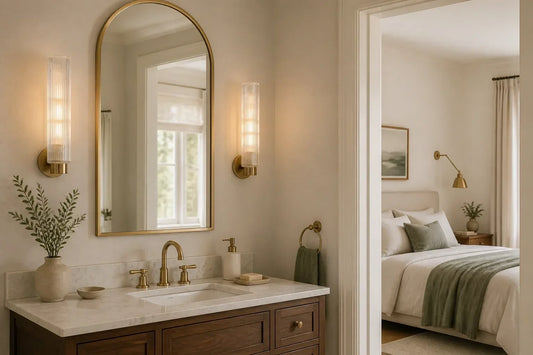
Modern Bathroom Lighting & Vanity Areas: Bring a high-end spa aesthetic to your grooming space by introducing raw stone textures. Integrating a warm travertine light into your bathroom vanity lighting setup pairs beautifully with micro-cement, matte black hardware, or raw wood, making it a show-stopping feature in any modern bathroom lighting scheme.

- Cozy Bedside Accents: In the bedroom, harsh overhead glare is the ultimate enemy of relaxation. Replacing standard bedside table lamps with a dedicated stone bedroom wall sconce creates a masterclass in cozy design, filtering the light in a soft, non-glaring way that prepares your mind and eyes for a peaceful night's rest.
- Texture for Hallways & Entryways: Transition spaces like long corridors or entryways are frequently left blank and uninviting. Mounting a pair of stone wall sconces along a plain wall adds immediate architectural rhythm, acting as a three-dimensional piece of wall art during the day and a welcoming pathway of light by night.
How to Style Travertine Lighting in Your Interiors
Styling a stone fixture is all about creating textural harmony. Because this stone has a distinct organic voice, it pairs best with elements that celebrate natural beauty:
- Stick to Warm Neutrals: Frame your fixtures against walls painted in soft beige, rich cream, pure white, or warm gray. These low-contrast backdrops allow the intricate natural details of your travertine lighting to take center stage.
- Embrace Organic Textures: Pair the stone with raw wood, soft linen, woven rattan, and brushed brass. For instance, layering a minimalist travertine wall sconce against these elements adds a touch of modern refinement without overpowering the stone’s raw texture.
- Complement Natural Styles: Travertine is the absolute soul of wabi sabi lighting layouts. It also blends effortlessly into Japandi, minimalist lighting themes, and modern organic spaces.
-
Skip Cold, Shiny Finishes: Avoid surrounding your stone lights with cold industrial metals like polished chrome or stark plastics. Keeping the environment matte and earthy preserves the warm, grounded energy of the stone.

Material Comparison: Travertine vs. Other Materials
When investing in high-end lighting, choosing the right material completely defines the mood of a room. While metal, glass, and marble are all excellent options, travertine offers a distinct aesthetic that sets it apart.
Here is how travertine compares to other popular choices:
- Travertine vs. Marble: While both are stunning natural stones, marble features a polished, cold surface with dramatic veining, making it ideal for high-glam, sleek environments. Travertine, with its matte finish and organic pores, feels much warmer, earthy, and relaxed—perfect for creating an understated, lived-in luxury.
- Travertine vs. Glass: Glass fixtures are highly transparent, modern, and excellent for maximizing bright, crisp light. Travertine, however, offers a heavy, sculptural presence. Instead of letting light spill out completely, it beautifully filters glare, creating a soft, ambient glow with rich physical texture.
- Travertine vs. Metal: Metal lighting—whether matte black or polished gold—often brings an industrial, sharp, or traditional feel to a home. Travertine softens these hard architectural lines, trading sterile manufacturing vibes for handcrafted, organic warmth.
Conclusion: Timeless Organic Luxury
Lighting is the emotional anchor of a home. A premium travertine light fixture does more than just illuminate a room—it introduces raw textural history, grounding character, and an understated "quiet luxury" that synthetic materials can never replicate. If you want to transform your living space into a warm, soulful sanctuary, natural stone is the ultimate choice.
Ready to elevate your home with modern organic design? Discover your perfect sculptural centerpiece in our exclusive travertine lighting collection today.
Tags:
Previous
Why Fabric Lighting Creates a Softer, Cozier Home
Next
How to Choose Bathroom Vanity Lights: Size, Placement, and Style Tips