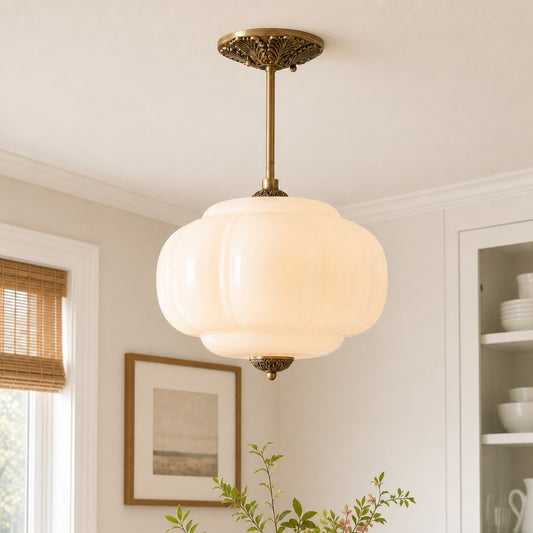
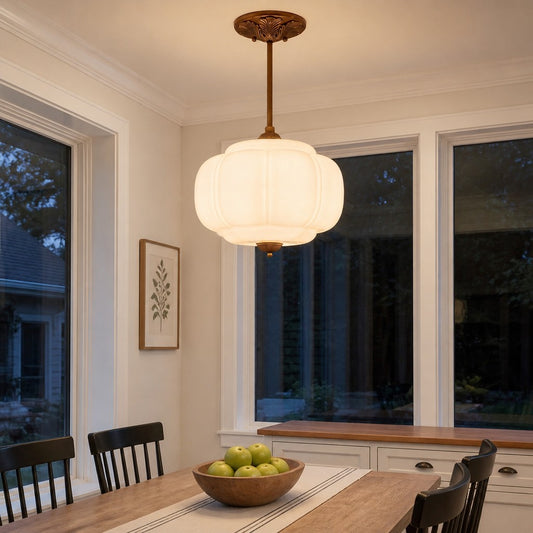

 Why Fabric Lighting Creates a Softer, Cozier Home
In the fast-paced modern world, our homes have evolved into more than just places to sleep; they are our personal sanctuaries, emotional baseline environments, and retreats from the sensory overload of daily life. Over the past few years, interior design movements have shifted away from the cold, sterile, industrial aesthetics of the early 2010s. Instead, we are witnessing the profound rise of "Warm Minimalism," "Japandi," and "Quiet Luxury." These design philosophies share a single, foundational goal: to cultivate spaces that feel inherently grounded, restorative, and deeply comfortable.
While furniture layout, color palettes, and structural architecture play massive roles in defining a home’s aesthetic, there is one invisible element that holds absolute veto power over the mood of a room: lighting. You can fill a room with the most luxurious boucle sofas and artisanal handcrafted furniture, but if it is illuminated by harsh, exposed bulbs or cold, piercing downlights, the atmosphere will instantly collapse into something resembling a clinical laboratory or a corporate office.
To bridge the gap between architectural structure and genuine domestic warmth, interior designers are increasingly turning to a classic yet heavily elevated material: fabric. Incorporating high-quality woven elements into your lighting plan is one of the most effective, immediate ways to introduce texture, softness, and an inviting glow to any space. Let’s dive deep into why fabric and linen lighting choices have become the definitive secret weapon for crafting a softer, cozier home.
The Science of Serenity: Understanding Diffused Light
To appreciate why fabric lighting fixtures feel so radically different from their glass, metal, or plastic counterparts, we have to look at how light behaves physically when it interacts with different mediums. Metal completely blocks light, redirecting it in a sharp, directional beam. Clear glass amplifies it, exposing our eyes directly to the intense filament of the bulb. Fabric, however, acts as a sophisticated, three-dimensional physical filter.
When light passes through the organic, intersecting threads of a woven lampshade, it undergoes a process called omnidirectional diffusion. Instead of traveling in a straight, aggressive line, the light waves scatter softly in every direction. This completely eliminates harsh glare, minimizes the intensity of casting shadows, and spreads an even, milky radiance across the room.
This soft emission changes how we perceive a room's physical dimensions. Harsh, direct light exposes every sharp angle, minor imperfection, and hard surface, making an interior feel rigid and unforgiving. Diffused light, on the other hand, gently blurs hard architectural lines, wraps around furniture contours, and introduces an immediate sense of visual calm. Psychologically, this mimicking of natural, overcast daylight signals our nervous systems that it is safe to downshift, relax, and transition into a state of rest. When looking for ways to execute timeless cozy lighting ideas, integrating woven shades should always be your structural starting point.
Spatial Harmony: Where Fabric Lighting Belong
While woven fixtures can elevate almost any corner of a house, they perform exceptionally well in spaces dedicated to relaxation, gathering, and personal rejuvenation.
The Living Room: The Ultimate Visual Anchor
As the central social hub of the home, the living room requires lighting that can effortlessly transition from a bright, active family space during the day to an intimate, low-stimulation environment at night. A massive challenge in modern open-concept living rooms is making large spaces feel intimate rather than echoing and vast.
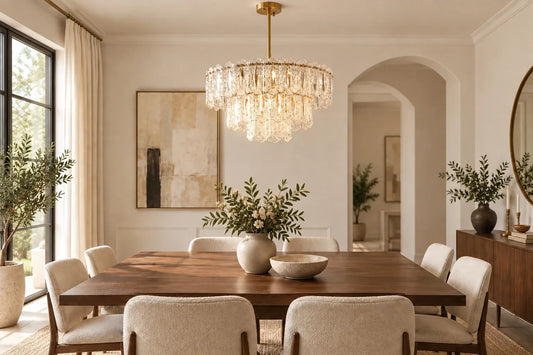
This is exactly where an expansive, beautifully structured ceiling fixture becomes indispensable. By installing a large-scale drum pendant made from premium woven fabric, you create an instant focal point that visually anchors the seating area. The material dampens the visual coldness of large drywall ceilings, while the broad shade distributes light evenly across conversational seating groups without casting shadows on people’s faces. It offers a masterclass in how a single fabric pendant light can transform architectural scale into personal intimacy.
Product Spotlight: The Rielyn Contemporary Fabric Drum Large Pendant Light perfectly embodies this philosophy. Its oversized silhouette commands attention, while its premium textured shade ensures that its immense presence is matched by a beautifully soft, welcoming light emission.
The Bedroom: Crafting a Domestic Sanctuary
If there is one room where harsh lighting is an absolute design sin, it is the bedroom. Your bedroom should actively prepare your mind and body for sleep. Overhead recessed lights that shine straight down into your eyes while you are lying in bed disrupt melatonin production and create an unsettling, exposed feeling.
To design a truly restorative environment, the goal should always be to curate layers of low-level, glare-free illumination. Placing premium fabric table lamps on bedside tables or mounting linen-shaded accent fixtures onto the walls allows you to completely turn off harsh overhead sources an hour or two before sleep. The light filtering through the weave creates a cozy, cocoon-like perimeter. For anyone seeking to curate genuinely effective soft lighting for bedroom spaces, the tactile warmth of a fabric shade is completely non-negotiable.
Product Spotlight: For spaces with standard or lower ceilings where a hanging fixture might feel intrusive, the Mireya Modern Farmhouse Linen Drum Ceiling Light delivers the exact same organic texture and diffused warmth while preserving your room’s open, vertical breathing space.
Material Matchmaking: Styling with Woods, Beiges, and Farmhouse Aesthetics
One of the greatest assets of fabric lighting is its immense stylistic versatility. Because fabric is inherently derived from natural fibers, it doesn’t compete with other interior elements; instead, it behaves as a beautiful harmonic bridge.
Embracing the Neutral, Beige, and Warm Minimalist Aesthetic
If your home leans toward a palette of soft creams, oatmeals, warm grays, and rich taupes, a plain metal or painted light fixture can often stick out like a sore thumb, breaking the serene continuity of the design. Fabric fixtures upholstered in unbleached linen, textured cotton, or oatmeal-toned weaves blend seamlessly into neutral backdrops. They add vital "micro-texture"—the subtle structural variations that keep a monochrome or minimalist room from looking flat, boring, or cheap.
Product Spotlight: The Jesslyn Mid-Century Natural Linen Solid Wood Concrete Table Lamp For Bedroom shows exactly how multiple earth-born elements can elevate one another. By juxtaposing industrial concrete, rich solid wood, and raw natural linen, it provides a gorgeous, multi-textured visual anchor for any nightstand or side table.
The American Farmhouse and Modern Country Styles
For spaces that celebrate character, heritage, and rustic comfort, fabric lamps are foundational elements. The American farmhouse style relies heavily on materials that feel honest, time-tested, and organic. When you pair a beautifully woven shade with classic structural materials like matte black iron, weathered metals, or reclaimed wood, you achieve a flawless balance between industrial structure and soft domesticity.
Product Spotlight: If you want to bring this balanced texture to your vertical surfaces, the Gwenda Retro Metal Linen Shade Double Sconce introduces a striking contrast. Its vintage-inspired metallic frame offers a grounded, structured look, while its dual linen shades soften the output, casting elegant upward and downward flows of warm ambient light.
The Off-State Aesthetic: A Day-and-Night Sculpture
A common mistake when selecting lighting is only evaluating how the fixture looks when it is turned on in the evening. In reality, a light fixture spends more than half of its life turned off during the daylight hours. This is where the true artistic value of high-tier fabric lamps comes to the forefront.
During the day, when natural sunlight streams through your windows, it hits the exterior surface of a fabric shade, highlighting the rich slub of the linen, the organic imperfections of the weave, and the gentle tactile depth of the material. Glass fixtures can create distracting daylight reflections, and metal can look heavy and dark when unlit. A linen or fabric shade, conversely, absorbs and softens daytime sunlight, acting as a serene, sculptural textile art piece hanging from your ceiling or sitting on your furniture. It adds visual weight and intentionality to your interior styling 24 hours a day.
Conclusion: Layering Your Home’s Warmth
Creating a deeply comfortable, welcoming home is not about buying the flashiest decor trends; it is about thoughtfully curating sensory experiences. It is about how a fabric feels under your hand, how a color responds to changing daylight, and, most importantly, how light casts itself across your living spaces at the end of a long, exhausting day.
By replacing harsh, exposed illumination with the soft, masterfully diffused radiance of woven textiles, you instantly upgrade your home's spatial mood. Whether you choose to anchor your living room with an editorial drum pendant, clear up low-ceiling clutter with a rich linen flush mount, or build an intimate bedside reading nook with a mixed-material table lamp, fabric lighting offers an unmatched pathway to a truly cozy lifestyle.
Ready to transform your home into a soothing, beautifully illuminated retreat? Explore our complete range of premium textile fixtures and discover the perfect piece for your design journey.
Shop Fabric Lighting Collection

Frequently Asked Questions (FAQ)
Are fabric light fixtures hard to clean and maintain?
Not at all. While fabric shades can accumulate dust over time just like furniture upholstery, maintaining them is incredibly simple. For regular maintenance, a quick pass with a lint roller or a soft-bristled vacuum attachment once a month is more than enough to keep the linen free of dust. For deeper cleanings, lightly wiping the surface with a dry microfiber cloth will remove any settled particles without altering the structure of the weave.
Can I use high-wattage LED bulbs inside a linen or fabric lampshade?
Yes, you absolutely can, provided you adhere to the fixture’s maximum wattage rating. In fact, pairing high-quality LED bulbs with fabric shades is highly recommended. LEDs emit significantly less heat than old incandescent bulbs, making them incredibly safe for textile shades. To maximize the cozy aesthetic, always opt for LEDs with a "warm white" color temperature, specifically between 2700K and 3000K.
What interior design styles pair best with fabric lamps?
Fabric lighting fixtures are incredibly versatile, but they shine exceptionally well in design styles that emphasize natural textures and organic comfort. This includes Warm Minimalism, Japandi, Scandinavian design, Modern Farmhouse, Coastal, and Transitional styles. The neutral textile acts as a beautiful harmonic bridge alongside natural wood grain, exposed brick, concrete, and plush fabrics like boucle or wool.
How do I choose between a fabric pendant light and a fabric flush mount ceiling light?
The primary deciding factor should be your room's ceiling height and spatial scale. For high ceilings, grand entryways, or open spaces above dining tables and living room seating groups, a fabric pendant light provides an excellent visual anchor and commands a beautiful presence. If you are dealing with standard or lower ceiling heights (under 9 feet) in spaces like bedrooms or hallways, a fabric flush mount or semi-flush mount light delivers the exact same soft, diffused glow without making the physical space feel cramped or low.
Tags:
Previous
Rustic Lighting Ideas: Add Character with Industrial Style Metal Fixtures
Next
What Is Travertine Lighting? A Complete Guide to Natural Stone Lights